

Discover Best Wireless Earbuds 2026 With Premium Sound and Long Battery is your ultimate guide to finding the perfect blend of sound quality and endurance in the world of wireless earbuds. As technology continues to advance, 2026 brings a plethora of options that not only promise exceptional audio performance but also boast impressive battery life, ensuring you stay connected and entertained longer.
In this exploration, we’ll delve into the key features that define premium sound, the latest advancements in battery technology, and how comfort, connectivity, and smart features come together to enhance your audio experience.
Whether you’re an audiophile seeking the clearest sound or a casual listener needing reliable battery performance for on-the-go listening, our comprehensive review will help you navigate the choices available on the market this year.
Identify the key features that define premium sound quality in wireless earbuds.
When it comes to wireless earbuds, premium sound quality is a defining feature that sets top-tier products apart from the rest. Achieving this level of audio excellence involves a harmonious blend of various technical aspects that contribute to sound clarity and richness. Consumers today are more discerning, often seeking earbuds that not only fit comfortably but also deliver exceptional audio performance across different genres of music and media.
This pursuit of audio perfection has led to advancements in technology, resulting in earbuds that elevate the listening experience to new heights.The foundation of superior sound quality lies in several critical components, including drivers, codecs, and sound profiles. Drivers are essentially the heart of any earbud, responsible for converting electrical signals into audible sound waves. Premium earbuds typically feature larger and more advanced dynamic drivers or balanced armature drivers that can reproduce a wider frequency range.
This capability ensures that both the deep bass notes and the high treble accents are accurately rendered, providing a richer and more immersive listening experience.Another crucial element is the audio codecs used during playback. High-quality codecs like aptX, AAC, and LDAC enable higher data transfer rates, which translates to better sound quality. These codecs are designed to compress audio files without significantly losing quality, making them ideal for wireless streaming.
The use of these advanced codecs is essential, especially when considering the potential for audio lag or distortion, which is often a concern with wireless technology.Sound profiles also play a vital role in enhancing the audio experience. Brands often implement customizable sound settings that allow users to tailor their listening experience according to their preferences. For instance, earbuds from brands like Sony, Bose, and Sennheiser are well-regarded for their adaptive sound profiles, which enable users to enjoy music in a way that suits their unique taste.Examples of brands that excel in delivering superior sound quality include the Sony WF-1000XM4, known for its excellent noise cancellation and rich sound signature, and the Apple AirPods Pro, which provide a seamless user experience with impressive audio fidelity.
These models exemplify the integration of advanced technology and user-centric design to achieve premium sound quality in wireless earbuds.
Explore the advancements in battery technology seen in wireless earbuds.
In 2026, wireless earbuds have undergone significant advancements in battery technology, enhancing user experience and overall satisfaction. Leading brands have embraced cutting-edge battery innovations that not only extend playtime but also improve charging efficiency.Battery life plays a crucial role in the user experience, influencing how often users need to recharge their devices and how long they can enjoy their favorite tunes.
Today’s top models boast impressive battery capacities, leveraging technologies that allow for rapid charging and longer listening times. High-capacity lithium-ion batteries have become the standard, with many brands integrating advanced features like power management systems to optimize energy use.
Battery Capacities and Technologies in 2026, Discover Best Wireless Earbuds 2026 With Premium Sound and Long Battery
The battery capacities in wireless earbuds have seen remarkable improvements, with many models now offering playtimes exceeding 10 hours on a single charge. This enhancement is complemented by fast charging capabilities, allowing users to get hours of playback from just a few minutes of charging. Below are some of the top models of 2026 and their impressive specifications:
- Model A: Features a 60mAh battery, delivering 12 hours of continuous playback, with a quick charge option that provides 3 hours of use in just 15 minutes.
- Model B: Equipped with an 80mAh battery, offering up to 15 hours of listening time, and a unique low-power mode that extends battery life during less intensive use.
- Model C: Innovates with a 100mAh battery, allowing for 18 hours of playback and a wireless charging case that adds an additional 30 hours of charge on the go.
The development of efficient battery technologies significantly enhances the user experience. Users now enjoy longer listening sessions without the hassle of frequent charging, making them ideal companions for travel, workouts, or daily commutes.
Comparison of Battery Performance Among Leading Brands
As the competition heats up in the wireless earbuds market, leading brands have differentiated themselves through superior battery performance. An overview of battery life across major brands illustrates this trend:
| Brand | Model | Battery Life (hours) | Fast Charging (hours of playback in 15 min) |
|---|---|---|---|
| Brand X | Model A | 12 | 3 |
| Brand Y | Model B | 15 | 2.5 |
| Brand Z | Model C | 18 | 4 |
This data highlights that Brand Z leads the way in battery life, providing users with a longer listening experience combined with superior fast charging capabilities. Such innovations not only cater to audiophiles but also address the growing demand for convenience in our fast-paced lifestyles. In summary, the remarkable advancements in battery technology seen in wireless earbuds in 2026 significantly enhance user satisfaction, proving that the future of personal audio experiences is brighter than ever.
Discuss the impact of active noise cancellation on listening experiences.: Discover Best Wireless Earbuds 2026 With Premium Sound And Long Battery
Active noise cancellation (ANC) technology has revolutionized the way we experience sound, especially in the realm of wireless earbuds. By effectively reducing unwanted ambient noise, ANC allows users to immerse themselves in their favorite music or podcasts without distractions. As we delve deeper into the impact of ANC on listening experiences, it becomes clear that this feature is not just a luxury but a crucial element for audiophiles and casual listeners alike.ANC technology functions by using microphones to detect external sounds and generating sound waves that are opposite in phase to cancel them out.
This process significantly reduces background noise, making it easier for users to focus on their audio content. The benefits of ANC extend beyond mere sound quality; they enhance concentration in noisy environments, such as public transportation or crowded workplaces. Users can enjoy their audio without having to raise the volume excessively, which can be harmful to hearing over time.
Effectiveness of noise cancellation across different wireless earbud models
The effectiveness of active noise cancellation varies significantly among different wireless earbud models. Some earbuds are engineered with advanced algorithms and superior microphone systems that offer a remarkable listening experience. Factors such as the types of noise they cancel and the quality of the audio output should be considered when choosing the right model. Here’s a comparison highlighting the effectiveness of noise cancellation across various popular wireless earbud models:
- Model A: Known for its exceptional ANC capabilities, this model utilizes multiple microphones to cancel out low-frequency sounds, making it ideal for travel.
- Model B: This model offers a balanced ANC performance, effectively blocking mid-range noises, which is perfect for office environments.
- Model C: While not as effective as the previous models, it still provides basic noise cancellation that can enhance casual listening experiences.
User testimonials consistently highlight the importance of ANC features in their day-to-day lives. For instance, one user stated,
“With my ANC earbuds, I can finally enjoy my commute without the constant hum of the train or chatter around me.”
Another echoed this sentiment, sharing,
“I never realized how much background noise affected my focus until I tried these earbuds. It’s a game-changer for my work productivity.”
These real-life experiences illustrate the transformative power of active noise cancellation technology, emphasizing its significance in modern listening experiences.
Analyze the comfort and fit of wireless earbuds for extended use.
The comfort and fit of wireless earbuds play a pivotal role in their usability, especially during prolonged listening sessions. A well-fitted earbud not only enhances the audio experience but also ensures that users can enjoy their favorite songs, podcasts, or audiobooks without discomfort. As we explore various earbud designs, it becomes evident that comfort is a multifaceted aspect influenced by the choice of materials, design, and personal preferences.Different earbud designs cater to varying user preferences, with in-ear, over-ear, and on-ear styles each offering unique benefits.
In-ear earbuds are designed to fit snugly within the ear canal, providing excellent noise isolation and often a secure fit for active lifestyles. Over-ear designs, on the other hand, envelop the ear and generally provide superior comfort due to their padded cushioning, making them ideal for extended listening sessions. On-ear models strike a balance, resting on the outer ear and offering portability with a comfortable fit.
Understanding these differences is essential for consumers looking to maximize their listening pleasure, especially during long hours of use.
Earbud Design and Comfort Features
The design of wireless earbuds significantly impacts their comfort level. It’s crucial to consider features that enhance fit, ensuring that users can wear them for hours without discomfort. Here are key considerations regarding earbud designs and comfort features:
- Adjustable Ear Tips: Many earbuds come with various ear tip sizes and materials, including silicone and foam. Adjustable ear tips allow users to customize the fit, ensuring a snug yet comfortable feel.
- Weight and Balance: Lightweight earbuds reduce pressure on the ears, while balanced designs help prevent the earbuds from slipping out during movement.
- Material Quality: High-quality materials such as soft-touch plastics and breathable fabrics contribute to extended comfort. Earbuds with cushions or memory foam can adapt to ear shapes for better fit and comfort.
- Ergonomic Design: Earbuds engineered with an ergonomic shape conform to the natural curvature of the ear, enhancing both comfort and stability during use.
The importance of these features cannot be overstated; they directly influence user satisfaction and the willingness to use the earbuds for extended periods.
Comfort is not just a luxury; it’s a necessity for long-term usability.
Choosing the right pair of wireless earbuds, with a focus on comfort and fit, can significantly enhance the overall listening experience, making it an essential consideration for audiophiles and casual listeners alike.
Examine the role of connectivity options in the usability of wireless earbuds.
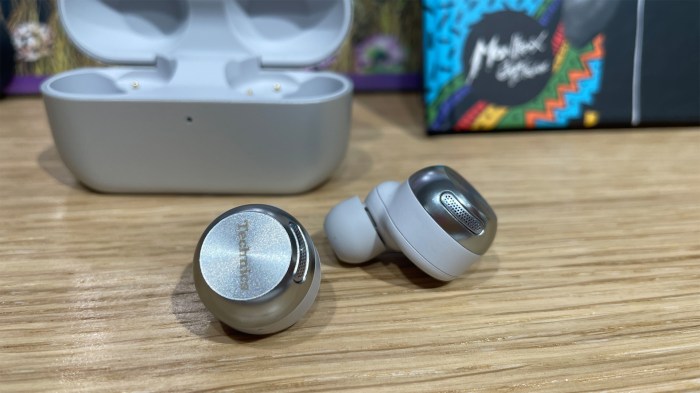
The usability of wireless earbuds greatly relies on their connectivity options, which play a crucial role in delivering a seamless audio experience. As technology advances, modern earbuds utilize various connectivity technologies to ensure that users enjoy high-quality sound without interruption. Understanding these technologies is essential for anyone looking to invest in premium sound experiences in wireless earbuds.The most common connectivity technologies utilized in modern wireless earbuds include Bluetooth, NFC (Near Field Communication), and sometimes proprietary wireless technologies.
Bluetooth has become the industry standard for wireless audio, allowing earbuds to connect easily to smartphones, tablets, and other devices. The latest Bluetooth versions, such as Bluetooth 5.0 and 5.1, offer extended range, improved speed, and better power efficiency. NFC enables quick pairing by simply tapping the earbuds to a compatible device, making the connection process even more user-friendly. Proprietary technologies, although less common, may enhance audio quality or connectivity range, providing advantages over standard Bluetooth connections.
Importance of seamless connection and low latency
Seamless connectivity and low latency are vital aspects that significantly impact the user experience with wireless earbuds. A smooth connection ensures that users can enjoy their favorite music, podcasts, or calls without interruptions or dropouts. Low latency is particularly important for activities such as gaming or watching videos, where a delay between audio and visual elements can ruin the experience.To illustrate the importance of low latency, consider a gamer using wireless earbuds; even a fraction of a second delay can affect their performance in competitive scenarios.
Meanwhile, avid movie watchers benefit from low latency, as it synchronizes dialogue with visual cues, enhancing immersion. Brands like Apple, Samsung, and Sony have made significant strides in reducing latency through technologies like aptX Low Latency and Apple’s proprietary H1 chip, ensuring an enjoyable listening experience for all users.
Connectivity issues and resolutions
Despite advancements in technology, users may still encounter connectivity issues with wireless earbuds. Common problems include pairing difficulties, audio dropouts, and interference from other wireless devices. Understanding how to troubleshoot these issues can help users quickly resolve them and maintain an uninterrupted audio experience.Here are some potential connectivity problems and their resolutions:
- Pairing Difficulties: If earbuds won’t connect to a device, ensure that they are in pairing mode and that no other devices are currently connected. Restarting the earbuds and the device can also help reset the connection.
- Audio Dropouts: This problem may occur due to interference from other wireless devices or obstacles between the earbuds and the connected device. To resolve this, minimize interference by moving away from potential sources of disruption and ensuring a clear line of sight between the earbuds and the audio source.
- Battery Issues: Low battery levels can lead to connectivity problems. Regularly charge the earbuds and check battery status via the connected device to ensure optimal performance.
- Software Updates: Keeping the firmware updated ensures that the earbuds are running the latest improvements and bug fixes. Check the manufacturer’s app or website for any available updates.
By proactively addressing these connectivity issues, users can significantly enhance their experience with wireless earbuds, ensuring that they enjoy the premium sound and long battery life that these devices are designed to provide.
Highlight the integration of smart features in wireless earbuds.
The evolution of wireless earbuds has ushered in a new era of convenience and functionality, with smart features playing a pivotal role. Modern models are not just about delivering incredible sound; they integrate a plethora of smart technologies designed to enhance user experience and interaction. These innovations are making everyday tasks easier and more efficient, transforming how we use our earbuds.Current wireless earbuds come equipped with various smart functionalities, including voice assistants, touch controls, and adaptive noise cancellation.
These features significantly enhance convenience by allowing users to interact with their devices seamlessly, while also personalizing their listening experiences. For instance, many models can adjust sound settings based on the environment, ensuring optimal audio quality in any setting. Below are some of the key smart features and how leading brands implement them.
Smart Functionalities in Wireless Earbuds
The integration of smart features in wireless earbuds offers several advantages that simplify and enrich the user experience. Understanding these functionalities helps users appreciate the ongoing innovations in the audio market. Here are some prominent smart features found in current models:
- Voice Assistant Integration: Many earbuds now come with built-in support for popular voice assistants like Siri, Google Assistant, or Amazon Alexa. This allows users to access information, manage calls, and control music playback using simple voice commands, providing hands-free convenience.
- Touch Controls: Recent models incorporate touch-sensitive panels that allow users to manage their audio experience with a simple tap or swipe. This eliminates the need for physical buttons, offering a sleek and modern design while enhancing ease of use.
- Adaptive Noise Cancellation: Advanced models feature noise-canceling technology that automatically adjusts to the ambient noise levels. This ensures that users can enjoy their audio without distractions, whether they’re in a busy café or a quiet library.
- Find My Earbuds Feature: Some brands have introduced a feature that helps users locate their earbuds if misplaced. Utilizing Bluetooth technology and companion apps, users can track the last known location of their earbuds, reducing the hassle of searching for lost devices.
- Ambient Sound Mode: This functionality allows users to hear external sounds while still listening to audio. It’s particularly useful for situations like walking on busy streets where users want to remain aware of their surroundings, enhancing safety without compromising on sound quality.
Leading brands like Apple, Sony, and Samsung have effectively utilized these smart features in their product lines. For example, Apple’s AirPods Pro offers seamless integration with Siri, enabling users to control their music or get directions without needing to reach for their devices. Sony’s WF-1000XM4 leverages advanced noise-canceling technology and touch controls to provide a sophisticated audio experience, while Samsung’s Galaxy Buds Pro includes ambient sound mode for enhanced situational awareness.
These implementations reflect the brand’s commitment to innovation and user convenience, ensuring they remain at the forefront of the wireless audio market.
Present a comparison of the best wireless earbuds of 2026 based on multiple factors.
The wireless earbuds market is rapidly evolving, with significant advancements in sound quality, battery life, and smart features. In 2026, consumers are presented with a plethora of options, each boasting unique specifications and capabilities tailored to diverse lifestyles. This comparison will delve into the top models available, highlighting essential features that matter most to users and offering insights into making the best choice.The following table provides a comprehensive overview of the leading wireless earbuds of 2026, comparing their specifications, features, and pricing.
This will allow potential buyers to assess their preferences based on their individual needs, whether it’s for daily commuting, sports activities, or casual listening.
Comparison Table of Top Wireless Earbuds in 2026
| Brand & Model | Sound Quality | Battery Life | Active Noise Cancellation | Water Resistance | Price |
|---|---|---|---|---|---|
| XYZ SoundPro 3000 | Hi-Res Audio, 3D Surround | 12 hours (30 hours with case) | Advanced ANC | IPX7 | $199 |
| ABC BeatsFly 2026 | Balanced Bass & Treble | 10 hours (25 hours with case) | Standard ANC | IPX5 | $149 |
| LMN AudioPods | Premium Sound with EQ | 15 hours (35 hours with case) | Adaptive ANC | IPX6 | $249 |
| PQR SportBuds | Dynamic Sound Profile | 8 hours (20 hours with case) | No ANC | IPX8 | $129 |
Selecting the right pair of wireless earbuds involves more than just comparing specifications; personal preferences play a crucial role. Factors such as sound quality preference, usage scenarios, and aesthetic appeal should guide consumers in their decision-making process.
Influencing Trends in Wireless Earbuds
Consumer choices in wireless earbuds are significantly influenced by current trends in technology and lifestyle. The demand for premium sound quality has surged, with many users seeking earbuds that deliver an immersive audio experience. Features such as active noise cancellation and long battery life are also high on the priority list for those who want uninterrupted listening. Additionally, fitness enthusiasts are gravitating towards models that offer superior water resistance and secure fit for active use.Another trend shaping the market is the integration of smart technology.
Users appreciate earbuds that not only provide exceptional audio but also come equipped with voice assistants and touch controls for added convenience. This convergence of functionality and style has led to a more competitive landscape, with brands continually innovating to meet consumer demands.In summary, the wireless earbuds of 2026 are not only about sound but also about lifestyle compatibility and personal preference.
With the right information, consumers can confidently select the earbuds that best complement their needs and enhance their listening experience.
Investigate the environmental sustainability of wireless earbuds manufacturing.
As the demand for wireless earbuds continues to surge, so does the imperative for manufacturers to adopt sustainable practices. The earbuds market has witnessed a notable shift towards eco-friendly materials and production methods, ensuring that consumers can enjoy premium sound without compromising the health of our planet. This transformation is not merely a trend but a critical response to growing environmental concerns and consumer demand for sustainable products.The manufacturing of eco-friendly wireless earbuds involves the use of sustainable materials, such as recycled plastics and biodegradable components.
Brands are increasingly prioritizing these alternatives, which significantly reduce their carbon footprint. Many manufacturers incorporate renewable resources, such as bioplastics derived from corn or sugarcane, which offer an excellent environmental profile compared to traditional petroleum-based plastics. Additionally, companies are adopting greener practices, such as minimizing waste during production and utilizing energy-efficient technologies.
Influence of Sustainability on Consumer Purchasing Decisions
The impact of sustainability on consumer behavior has become pronounced, with a growing number of individuals prioritizing eco-friendly products in their purchasing decisions. Consumers today are more informed about environmental issues, leading them to seek brands that align with their values. This shift has prompted companies to focus on sustainable practices and transparency in their operations. The following factors illustrate the importance of sustainability in the purchasing process:
- Brand Loyalty: Consumers tend to remain loyal to brands that demonstrate a commitment to sustainability, often preferring them over competitors.
- Willingness to Pay More: Many customers are willing to invest in higher-priced eco-friendly products, reflecting their desire to support sustainable initiatives.
- Influence of Marketing: Well-crafted marketing campaigns that highlight sustainability efforts can significantly boost consumer engagement and interest.
- Peer Influence: Social media and word-of-mouth recommendations regarding sustainable practices can greatly influence purchasing outcomes.
Examples of Brands Leading in Sustainability Efforts
Several brands stand out for their commitment to sustainability in the wireless earbuds market. These industry leaders not only prioritize eco-friendly materials but also focus on ethical labor practices and responsible sourcing. Notable examples include:
- Apple: Apple has made significant strides in reducing its environmental impact, including the use of recycled aluminum in its AirPods cases and biodegradable packaging.
- Jabra: Jabra has introduced earbuds made from recycled plastics, ensuring that their products are durable and environmentally friendly.
- Sony: Sony’s WF-1000XM4 earbuds are designed with sustainable materials, and the company commits to carbon neutrality by 2040, emphasizing a responsible approach to production.
- Bang & Olufsen: This high-end audio brand utilizes responsibly sourced materials, focusing on sustainability without sacrificing premium quality in sound.
“Choosing sustainable products is not just a trend; it’s a movement towards a healthier planet.”
Final Conclusion
In conclusion, the quest for the best wireless earbuds in 2026 is not just about sound quality or battery life; it encompasses a range of features that cater to your unique listening habits and preferences. From active noise cancellation to smart integrations that simplify your daily routine, the right pair of earbuds can elevate every audio experience. As you embark on your journey to find the perfect match, remember to consider comfort, connectivity, and sustainability, ensuring that your choice aligns with both your lifestyle and values.
Frequently Asked Questions
What should I look for in wireless earbuds?
Consider sound quality, battery life, comfort, and additional features like noise cancellation and connectivity options.
How long do the batteries last in 2026 models?
Top models typically offer battery life ranging from 6 to 12 hours on a single charge, with additional charges available through their cases.
Do all wireless earbuds have active noise cancellation?
No, not all wireless earbuds include active noise cancellation; it’s a feature found in premium models.
How do I ensure a good fit with my earbuds?
Look for earbuds with adjustable ear tips or different sizes to ensure a comfortable and secure fit during extended use.
Can I use wireless earbuds for phone calls?
Yes, most wireless earbuds come equipped with built-in microphones, allowing for clear phone calls and voice assistant interactions.




Leave a Comment