

Find WiFi for Home With Reliable Speeds and Affordable Pricing is essential for every household looking to stay connected in today’s digital world. Reliable internet speeds not only enhance daily activities like streaming movies, gaming, and remote work but are also pivotal for managing smart home devices. Imagine the frustration of buffering during a favorite show or lag during an important gaming session; these experiences can significantly impact your online interactions and productivity.
As we delve into the intricacies of finding the perfect WiFi service, we will explore the importance of selecting a provider that not only meets your speed requirements but also fits your budget. With numerous options available, understanding how to evaluate costs, service quality, and the overall performance of different providers will empower you to make an informed choice.
Understanding the Importance of Reliable WiFi Speeds for Home Use
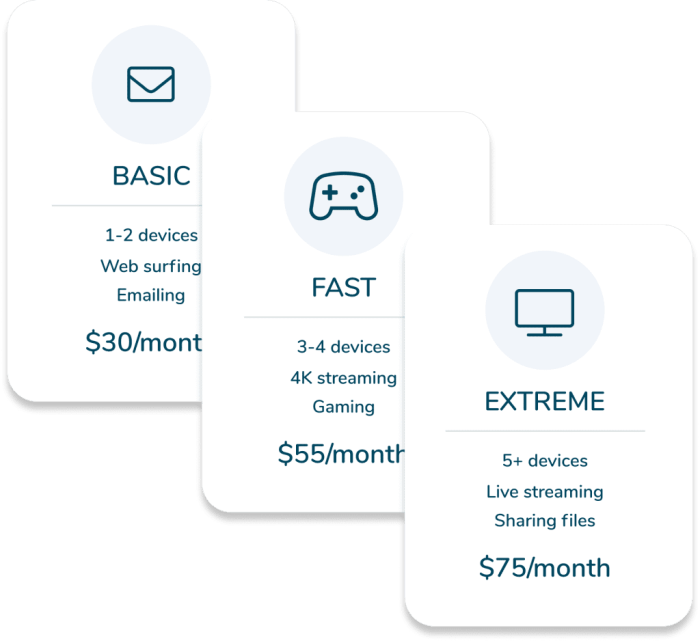
In today’s digital age, reliable WiFi speeds have become essential for households. With the growing dependence on the internet for various everyday activities, the need for a stable and fast connection cannot be overstated. Whether it is for work, leisure, or communication, a seamless internet experience significantly enhances productivity and enjoyment.Reliable WiFi speeds are crucial for a smooth and efficient online experience.
Slow internet can hinder daily activities, creating frustration and inefficiency. For instance, streaming services like Netflix or Hulu require a minimum speed to deliver high-definition content without buffering. A household with multiple users attempting to stream simultaneously can quickly reach a breaking point with inadequate bandwidth, leading to interruptions and a subpar viewing experience. Imagine a family movie night disrupted by constant buffering; this scenario illustrates the importance of having sufficient speed to cater to multiple devices.Gaming is another area where reliable WiFi speeds are paramount.
Online gamers often face challenges with lag and high latency when connection speeds are insufficient. These technical issues can lead to poor performance, ruining the overall gaming experience. For example, a competitive gamer requires a ping rate of less than 20 ms for optimal gameplay. A slow connection with higher latency can be the difference between winning and losing a match, highlighting the necessity for fast internet.Remote work has also surged in popularity, making dependable WiFi speeds even more critical.
Video conferencing tools like Zoom or Microsoft Teams demand stable connections to function effectively. Poor speeds can result in dropped calls, pixelated images, and disrupted meetings. Research indicates that 30% of remote workers experience connectivity issues during work hours, directly impacting productivity and collaboration.Different household devices require varying speeds to function optimally. For example, a smart home with multiple devices—such as security cameras, smart speakers, and thermostats—needs a robust connection to ensure all devices communicate efficiently.
A slow internet connection can jeopardize the effectiveness of these devices, leading to delays and missed alerts.In summary, reliable WiFi speeds are essential for a well-functioning modern household. They ensure that streaming, gaming, and remote work activities run smoothly, enhancing the overall user experience and efficiency.
Evaluating Affordable WiFi Providers in Your Area
Finding the right WiFi provider at an affordable price can be a daunting task, especially with so many options available. To ensure you choose a provider that meets your needs without breaking the bank, a systematic approach to evaluating your options is essential. This involves comparing different providers based on their pricing, service offerings, user reviews, and understanding the contract terms.When evaluating affordable WiFi providers, it’s crucial to consider various aspects that influence the overall value you receive.
Here are the steps to help you effectively identify and compare WiFi providers in your area.
Steps for Identifying and Comparing WiFi Providers
Start by gathering a list of WiFi providers available in your area. This can typically be done through a simple online search or by using comparison websites. Once you have a list, follow these steps to evaluate them:
- Compare Pricing: Look for the most competitive pricing by comparing different plans offered by each provider. Consider promotional rates that may apply for the first few months, and check if there are any price guarantees.
- Assess Service Offerings: Ensure that the providers offer services that meet your specific needs. Consider factors like internet speed, data limits, and additional features such as free installation or bundled services (TV, phone, etc.).
- Check User Reviews: User feedback can provide valuable insights into the reliability and customer service of each provider. Visit websites like Yelp, Google Reviews, or specialized tech review sites to gauge user satisfaction.
- Understand Contract Terms: Pay close attention to the duration of contracts, cancellation fees, and any promotional pricing that may revert to higher rates after a certain period. Being aware of these details can save you from unexpected costs.
Understanding user reviews is critical to making an informed decision. Reviews often highlight real-life experiences that can shed light on network reliability and customer support effectiveness. Look for recurring themes in the reviews to get a clearer picture of what to expect.
Importance of Reviewing User Feedback
User reviews and ratings serve as practical feedback on the performance and reliability of WiFi providers. A few key points to consider when analyzing reviews include:
- Reliability: How often do users report connectivity issues? Is the network stable during peak usage hours?
- Customer Support: Are customers satisfied with the responsiveness and effectiveness of the support team? Problems can arise at any time, and a reliable support system is crucial.
- Value for Money: Do users feel they are getting a good deal for the services they are receiving? Consider both positive and negative reviews to assess the overall value.
By carefully analyzing user reviews, you can identify which providers are highly recommended and which may not live up to their promises.
Understanding Contract Terms and Hidden Fees
Before signing up with a WiFi provider, it’s important to delve into the fine print regarding contract terms and potential hidden fees. The following factors are vital to understand:
Hidden fees can significantly alter the total cost of your service, making it essential to read all terms carefully.
- Contract Length: Most providers will require you to sign a contract for a specific duration, typically 12 to 24 months. Be aware of the implications of early termination fees.
- Installation Fees: Some providers may charge for installation or equipment rental, which can add to your initial costs. Always inquire about these potential charges beforehand.
- Data Caps and Overage Charges: Understand if there are any data limits included in your plan, and what the fees would be if you exceed those limits.
- Promotional vs. Regular Rates: Often, providers offer promotional rates that increase after an introductory period. Familiarize yourself with when and how your rates may change.
By carefully reviewing contract terms and being aware of hidden fees, you can make a more informed decision about which WiFi provider will truly offer the best value for your money.
Identifying the Factors That Influence WiFi Speed and Reliability
Understanding the intricacies of your WiFi connection is essential for optimizing internet performance at home. Factors such as bandwidth, the number of connected devices, and the physical placement of your router can significantly impact both speed and reliability. This knowledge enables consumers to make informed decisions when selecting an internet plan that best fits their household needs. Below, we will delve into these factors and provide practical guidance for ensuring an effective WiFi experience.
Impact of Bandwidth, Device Count, and Router Placement
Bandwidth, often expressed in megabits per second (Mbps), is a crucial factor that determines how much data can travel through your internet connection at any given time. Higher bandwidth allows for more simultaneous activities, such as streaming, gaming, and video conferencing without compromising quality. Conversely, if your plan offers lower bandwidth, you may experience buffering or slow loading times when multiple users are online.
The number of devices connected to your WiFi network also plays a vital role. Each device consumes a portion of the available bandwidth, which can lead to reduced speeds, especially in larger households. For example, a family of four streaming videos on separate devices will require significantly more bandwidth than a single user browsing the web.
Router placement is another key determinant of WiFi performance. Ideally, your router should be centrally located in your home, away from walls and obstructions. Physical barriers like furniture and large appliances can weaken the signal, leading to dead zones where connectivity is poor. For optimal results, consider elevating your router and positioning it in an open area to maximize coverage.
Checklist for Choosing the Right Internet Plan
Selecting the appropriate internet plan involves assessing your household’s unique requirements. The following checklist Artikels key considerations to ensure you choose a plan tailored to your needs:
- Assess Bandwidth Needs: Determine how much bandwidth you require based on your activities. For instance, HD streaming typically needs at least 5 Mbps, while online gaming can require 3 Mbps or more.
- Count Your Devices: Consider the total number of devices that will be connected simultaneously. Each device will need bandwidth, so adjust your plan accordingly.
- Evaluate Usage Patterns: Analyze peak usage times in your household. If most family members are online during the evening, ensure your plan can handle the demand during those hours.
- Research Internet Types: Understand the differences between fiber, DSL, and cable internet. Fiber generally offers the highest speeds and reliability, while DSL may be more affordable but offers slower speeds.
- Consider Future Needs: Choose a plan that accommodates potential growth, such as adding smart home devices or increasing streaming services.
Technology’s Role in WiFi Quality
The type of technology used for internet service has a direct influence on WiFi quality. For example, fiber optic connections provide superior speed and reliability compared to DSL or cable. Fiber internet can deliver speeds exceeding 1 Gbps, making it ideal for households with heavy bandwidth demands.
In contrast, DSL technology is typically slower and subject to distance limitations from the provider’s infrastructure. While it may be sufficient for basic browsing and light streaming, it may fall short in environments with multiple users engaging in data-intensive activities.
Cable internet offers a middle ground, providing decent speeds and the ability to handle multiple users, but it can experience slowdowns during peak hours due to shared bandwidth among users in the same area.
In summary, understanding the technological options available and their implications on your WiFi experience is essential for making an informed choice.
Designing a Home Network for Optimal WiFi Performance
Creating a reliable and robust home network is essential for ensuring seamless connectivity and optimal WiFi performance. By strategically designing your home network, you can enjoy high-speed internet access throughout your space, meet all your streaming and gaming needs, and connect multiple devices without lag. This guide Artikels best practices for network setup, helping you make the most of your internet service.To achieve maximum WiFi coverage and speed, it’s crucial to follow a systematic approach when configuring your routers and extenders.
The following steps will guide you through the process, ensuring you get the best performance out of your network equipment.
Best Practices for Setting Up Your Home Network
Understanding the layout of your home and the placement of your WiFi devices is vital for optimal performance. Here are the best practices to consider:
- Position the Router Centrally: Placing your router in the center of your home can help maximize coverage. Avoid placing it near walls or in corners where signal strength can be compromised.
- Elevate the Router: Position your router on a shelf or a high furniture piece to minimize interference and obstacles.
- Limit Interference from Other Devices: Keep your router away from electronic devices such as microwaves and cordless phones, as they can interfere with WiFi signals.
- Update Router Firmware: Regularly check for firmware updates for your router to ensure you have the latest security features and performance enhancements.
Configuring Routers and Extenders for Enhanced Connectivity
Configuring your network devices correctly is essential for enhancing connectivity and speed. Follow these steps for setup:
1. Choose the Right Bandwidth
Utilize dual-band routers to provide both 2.4GHz for longer range and 5GHz for higher speeds.
2. Access Router Settings
Connect to your router via a web browser, typically by entering the router’s IP address, often found in the device’s manual.
3. Set Up SSID and Password
Customize your network name (SSID) and create a strong password to enhance security.
4. Adjust Channels
Change the default channel settings to reduce interference, especially if you live in a densely populated area.
5. Connect Extenders Wisely
Position extenders midway between the router and the areas with weak signals, ensuring they are still within the router’s range.
Avoiding Common Pitfalls in Home Networking, Find WiFi for Home With Reliable Speeds and Affordable Pricing
Many homeowners encounter issues that hinder network performance. Recognizing and addressing these common pitfalls is crucial:
- Neglecting Security Settings: Failing to secure your network can expose it to unauthorized access. Always use WPA3 encryption if available.
- Overloading the Network: Too many devices can slow down your internet speed. Disconnect devices that are not in use.
- Ignoring Signal Strength: Regularly test your network’s coverage and speed in different areas of your home using apps designed for this purpose.
- Using Old Hardware: Outdated routers may not support newer technologies such as WiFi 6. Consider upgrading for better performance.
“A well-designed home network is the backbone of modern living, enabling seamless connectivity for work, entertainment, and communication.”
By implementing these best practices, you can ensure your home network provides reliable speeds and coverage, transforming your digital experience into one of convenience and efficiency.
Comparing Different Types of Internet Connections for Home Use
In today’s digital age, selecting the right internet connection for your home is crucial for ensuring seamless connectivity for all your online activities. From streaming movies to working from home, the type of internet connection you choose can greatly impact your overall experience. Below, we will compare the most common types of internet connections available for residential use: fiber, cable, DSL, and satellite.
Overview of Internet Connection Types
Each type of internet connection has its own unique characteristics, benefits, and drawbacks. Understanding these differences is essential for making an informed choice based on your specific needs and circumstances. Below is a comparative analysis of the four primary types of connections:
Fiber Internet
Fiber optic internet is renowned for its high-speed capabilities and reliability. Utilizing light to transmit data, it offers incredibly fast download and upload speeds, often exceeding 1 Gbps.
- Speed: Offers the fastest speeds available, ideal for households with multiple users streaming or gaming simultaneously.
- Reliability: Less susceptible to interference and outages, providing a stable connection regardless of weather conditions.
- Pricing: Generally, fiber plans can be pricier than other options, but the cost is often justified by the performance.
Fiber internet is the gold standard, delivering unparalleled speed and reliability for home users.
Cable Internet
Cable internet utilizes existing cable television infrastructure to provide internet access. It offers competitive speeds that can also support multiple devices effectively.
- Speed: Typically provides download speeds ranging from 25 Mbps to 1 Gbps, suitable for streaming and gaming.
- Reliability: Generally reliable but can be affected during peak usage hours when many users are online.
- Pricing: Pricing can vary widely based on service providers and package options, but it tends to be more affordable than fiber.
Cable internet balances performance and cost, making it a popular choice among homeowners.
DSL Internet
Digital Subscriber Line (DSL) internet uses telephone lines to transmit data, making it widely available even in rural areas.
- Speed: Offers moderate speeds, typically ranging from 1 Mbps to 100 Mbps, depending on the service provider and distance from the central office.
- Reliability: It provides a consistent connection but is generally slower than fiber and cable options and can degrade with distance.
- Pricing: Generally more affordable than cable and fiber, making it a budget-friendly option for light users.
DSL internet is a cost-effective choice, especially in areas lacking high-speed alternatives.
Satellite Internet
Satellite internet connects through geostationary satellites, making it accessible in remote locations where other types of connections are inadequate.
- Speed: Offers moderate speeds, typically up to 100 Mbps, but is often slower than fiber, cable, and DSL.
- Reliability: Affected by weather conditions and latency issues, leading to potential interruptions during storms.
- Pricing: Generally higher than DSL and cable, due to the technology and infrastructure involved.
Satellite internet is ideal for remote areas but may not be the best choice for high-demand users.
Regional Availability and Its Impact
The availability of these internet connection types can vary significantly by region, influencing your options when selecting a provider. Urban areas tend to have better access to fiber and cable services, offering higher speeds and more competitive pricing. In contrast, rural regions may rely more heavily on DSL and satellite services, which may have limitations in speed and reliability.Understanding your local market and available providers is critical.
Researching regional offerings can help you identify which internet connection aligns with your needs, ensuring you choose the best option for reliable and affordable home internet service.
Exploring the Role of Customer Service in Choosing a WiFi Provider
When it comes to selecting a WiFi provider, the quality of customer service can significantly impact your overall experience. Reliable internet service is essential to daily life, from remote work to streaming entertainment. However, the support you receive from your provider can make or break that experience. A responsive, helpful customer service team can quickly resolve issues and enhance satisfaction, while poor support can lead to frustration and prolonged downtime.The significance of customer service quality is evident in the tech industry, where fast-paced changes and technical problems are common.
When evaluating a WiFi provider, consider how responsive and effective their customer support is. Here are several factors that can help you assess customer support options before signing up for a service:
Assessment of Customer Support Options
Understanding the quality of customer service can be a game-changer in your WiFi experience. Here are key points to evaluate:
- Availability of Support: Check if support is available 24/7 or during limited hours. 24/7 support is crucial for urgent issues that may arise outside standard business hours.
- Channels of Communication: Look for multiple contact options, such as phone support, live chat, email, and social media. Multiple channels ensure you can reach out in the way that suits you best.
- Response Times: Research reviews or testimonials that mention the average response time. Quick responses can save you valuable time during troubleshooting.
- Technical Knowledge: Interactions with customer service representatives should reflect their expertise. Effective support staff should be knowledgeable about technical issues and able to provide clear solutions.
- Customer Reviews and Ratings: Check online reviews on platforms like Google or Trustpilot. High ratings for customer service are indicative of a reliable provider.
Personal experiences often shed light on the real impact of customer service. For instance, one customer shared their story of signing up with a popular provider that boasted fast speeds but had hidden pitfalls in customer service. After facing connectivity issues, they struggled to get a hold of support, leading to long wait times and unresolved problems. Conversely, another user recounted how a lesser-known provider exceeded their expectations, providing friendly and efficient support that quickly addressed their concerns.
“Quality customer service is like the backbone of your internet experience; without it, even the fastest connection can feel frustrating.”
Choosing a WiFi provider involves more than just assessing speeds and pricing; it’s crucial to consider the caliber of customer service you can expect. Be proactive in your research and engage with potential providers before making a commitment to ensure you have a supportive partner in your internet journey.
Analyzing Internet Usage Trends and Their Effect on Pricing
The landscape of internet usage has evolved dramatically in recent years, largely driven by advancements in technology and the increasing demand for high-speed connectivity. As users turn to online activities like streaming, gaming, and remote work, internet service providers (ISPs) are compelled to adapt their pricing models to meet these new demands. This analysis explores how the surge in online activities influences pricing dynamics and what this means for consumers seeking reliable and affordable Wi-Fi options.The rise in online activities has fundamentally changed the way ISPs structure their pricing.
With more users engaging in data-intensive activities, ISPs have found themselves needing to invest heavily in infrastructure to support increased bandwidth requirements. Consequently, pricing models have shifted, often resulting in tiered plans that reflect usage patterns.
Impact of User Demands on Internet Pricing
Understanding the relationship between user demands and pricing evolution is crucial for both consumers and providers. With the growing prevalence of streaming services, online gaming, and remote work, ISPs are continuously adjusting their pricing strategies to cater to these trends. As a result, the following factors have influenced internet pricing:
- Increased Data Consumption: With platforms like Netflix and YouTube offering high-definition content, average household data consumption has surged. According to recent reports, the average U.S. household now uses over 400 GB of data per month, prompting ISPs to reassess their pricing structures to accommodate this increase.
- Gaming and Latency: Online gaming demands low latency and high speeds, leading to the creation of specialized gaming plans. These plans often come at a premium, reflecting the added value of a seamless gaming experience.
- Remote Work Trends: The shift towards remote work has led to a higher demand for reliable internet connections, compelling ISPs to prioritize service quality and reliability, often resulting in price adjustments to reflect the enhanced service level required.
“The evolution of user habits directly correlates with ISP pricing models, where higher demand leads to premium pricing structures.”
Future predictions regarding internet pricing suggest that ongoing technological advancements and changing user habits will continue to shape the market. As 5G technology becomes more prevalent, we may witness a shift towards more flexible pricing options based on usage patterns. Additionally, the proliferation of smart devices is expected to further escalate data consumption, compelling ISPs to innovate their plans to cater to diverse user needs.In conclusion, the interplay between internet usage trends and pricing is a dynamic landscape that continuously evolves to meet consumer demands.
Understanding these trends allows consumers to make informed choices when selecting Wi-Fi options that balance speed, reliability, and affordability.
Creating a Budget Plan for Affordable WiFi Services: Find WiFi For Home With Reliable Speeds And Affordable Pricing
In today’s digital age, finding an affordable WiFi service with dependable speeds is essential for both work and leisure. However, managing your budget while securing the best internet service can seem daunting. A well-crafted budget plan can help you strike the right balance between cost and quality, ensuring that you stay connected without breaking the bank.Budgeting for internet services involves evaluating your needs versus the available options in your area.
Start by determining how much bandwidth you require. For example, if you primarily use the internet for browsing and streaming, a basic plan may suffice. Conversely, if you have multiple users streaming or gaming simultaneously, consider a higher-tier plan. Here are strategies for effective budgeting:
Strategies for Budgeting for Internet Services
Creating a budget plan requires a thorough understanding of your internet usage and the associated costs. Implementing these strategies will help you manage your spending effectively:
- Assess Your Internet Needs: Analyze your household’s internet usage. Determine whether you need high speeds for gaming, streaming, or working from home, or if basic browsing will suffice.
- Research Available Plans: Investigate different service providers and their plans. Compare speeds, pricing, and data allowances to identify options that fit your budget and needs.
- Utilize Bundling Options: Many providers offer discounts for bundling services like internet, phone, and TV. This can provide substantial savings compared to purchasing services separately.
- Keep Track of Promotions: Look out for promotional offers and discounts. Many providers regularly run deals for new customers, which can lead to significant savings.
- Check for Hidden Fees: Before committing to a plan, ensure you understand all associated costs. Look for hidden fees that can inflate your final bill.
Negotiating Prices and Discounts with Service Providers
Don’t hesitate to engage with your service provider when it comes to pricing. Many customers are unaware that negotiation is often an option, and doing so can lead to better rates or additional perks.
Negotiating with your internet provider can lead to significant savings and better service terms.
Consider these tips for successful negotiations:
- Know Your Current Plan: Familiarize yourself with your existing plan, including the costs and speeds. This information is crucial for discussions.
- Research Competitors: Be prepared to mention competitor pricing. If you find a better deal elsewhere, leverage this information during your negotiation.
- Ask for Loyalty Discounts: If you have been a long-term customer, inquire about loyalty discounts. Providers value customer retention and may offer perks to keep you.
- Be Polite and Persistent: Approach negotiations with respect. If you’re initially met with resistance, remain calm and continue to express your desire for a better deal.
Regularly Reviewing Your Internet Plan
It’s vital to routinely assess your internet plan to ensure it aligns with your current needs and budget. As technology evolves, so do internet requirements—what worked a year ago may no longer be suitable.
Regularly reviewing your internet plan keeps you informed and prevents overspending.
Consider the following steps when reviewing your plan:
- Monitor Your Usage: Keep track of your monthly data usage to determine if you are over or under-utilizing your plan.
- Evaluate Speed Needs: Periodically assess whether your internet speeds still meet your needs, especially if your household composition or activities have changed.
- Stay Informed About New Offers: Providers frequently update their offerings. Regularly check for new plans or upgrades that might provide better value or speeds.
- Plan for Future Needs: If you anticipate growth in your internet usage, consider upgrading your plan in advance to avoid the hassle of sudden adjustments.
Last Recap
In conclusion, securing reliable WiFi with affordable pricing is more than just a financial decision; it is about enhancing your quality of life and ensuring seamless connectivity. By understanding the factors that influence WiFi performance and exploring the various providers available, you can create a home network that meets all your needs. Don’t settle for less when it comes to your internet – invest in the right service today for a hassle-free online experience.
Essential Questionnaire
What should I consider when choosing a WiFi provider?
Look for reliable speeds, pricing, user reviews, and contract terms to ensure you select the best provider for your needs.
How can I improve my home WiFi performance?
Optimize your router placement, upgrade your internet plan, and consider using extenders or mesh networks for better coverage.
Are there hidden fees in internet contracts?
Yes, many providers have hidden fees for installation, equipment rental, and early termination; be sure to read the fine print.
How important is customer service in choosing a provider?
Excellent customer service is crucial, as it can greatly affect your experience if you encounter issues or need support.
What are the common types of internet connections available?
The main types include fiber, cable, DSL, and satellite, each offering different speeds, reliability, and pricing structures.



Leave a Comment