

Apply for Safelink Free Phone With Eligible Government Program sets the stage for this enthralling narrative, offering readers a glimpse into a story that is rich in detail and brimming with originality from the outset. Safelink is designed to empower low-income individuals by providing them with essential communication tools through free phone services, meeting a crucial need in today’s fast-paced world.
This program not only facilitates connectivity but also serves as a lifeline for those in need, reinforcing the importance of government assistance in transforming lives.
Understanding the Basics of Safelink and Its Purpose
Safelink Wireless is an essential service designed to provide free mobile phone services to eligible individuals, primarily focused on supporting low-income households. This program ensures that those who may struggle to afford communication services can stay connected with their loved ones, access important resources, and participate fully in society. The mission of Safelink is to bridge the digital divide that often leaves vulnerable populations without essential communication tools.The process of obtaining free phone services through Safelink begins with an application that verifies an individual’s eligibility, typically based on participation in government assistance programs such as SNAP (Supplemental Nutrition Assistance Program) or Medicaid.
Once eligibility is confirmed, Safelink provides a free phone along with a monthly plan that includes a certain number of minutes, texts, and data, depending on the state and specific guidelines.
Significance of Government Assistance Programs
Government assistance programs play a crucial role in supporting low-income households by providing essential services and resources. These programs not only help families meet their basic needs but also empower them to improve their overall quality of life. Here are some key aspects of how these programs support individuals:
- Accessibility: Government assistance programs like Safelink ensure that low-income families have access to communication services, which is critical for job searches, educational opportunities, and emergency situations.
- Financial Relief: By offering free phone services, these programs alleviate financial burdens, allowing families to allocate their limited resources to other essential areas, such as food and housing.
- Social Inclusion: Maintaining communication is vital for social interactions and community involvement. Safelink helps individuals stay connected with family, friends, and community services, enhancing their social support networks.
- Empowerment: Access to reliable communication fosters independence and confidence, enabling individuals to seek employment, manage health concerns, and access educational resources without barriers.
“Communication is a lifeline that connects individuals to opportunities and support. Safelink ensures that every individual can access that lifeline.”
Safelink Wireless exemplifies how government initiatives can uplift low-income households, ensuring they have the tools necessary to thrive in today’s digital world. The program reflects a commitment to inclusivity, empowering all individuals to participate fully in their communities and enhancing their overall well-being.
Eligibility Criteria for Applying to Safelink
Applying for Safelink’s free phone service can provide essential communication tools to those in need. Understanding the eligibility criteria is crucial for a successful application, ensuring you can benefit from this valuable program. Safelink Wireless offers free phone services to eligible individuals through participation in certain government assistance programs. To qualify for these services, specific government programs must be verified, and applicants must meet a set of requirements.
Eligible Government Programs
Participation in certain government assistance programs can make you eligible for Safelink services. The following programs are recognized:
- Supplemental Nutrition Assistance Program (SNAP)
- Medicaid
- Federal Public Housing Assistance (FPHA)
- Supplemental Security Income (SSI)
- Temporary Assistance for Needy Families (TANF)
- National School Lunch Program (NSLP)
These programs support low-income individuals and families, providing the necessary foundation to qualify for additional support like Safelink services.
Eligibility Requirements
To ensure a streamlined application process, potential applicants must meet the following eligibility requirements:
- Must be a resident of a state where Safelink Wireless operates.
- Must be at least 18 years of age or an emancipated minor.
- Must meet income requirements or be a participant in a qualifying government program.
- Only one phone service can be provided per household.
These requirements help maintain the integrity of the program while ensuring that those most in need can gain access to communication services.
Documentation Needed for Proof of Eligibility
Gathering the necessary documentation is vital to prove eligibility for Safelink services. Below are important documents you may need:
- Proof of participation in a qualifying government program (e.g., benefit statements, award letters).
- Income verification documents (e.g., pay stubs, tax returns).
- Proof of identity (e.g., government-issued ID, driver’s license).
- Proof of residency (e.g., utility bill, lease agreement).
To gather this documentation efficiently, consider the following strategies:
“Organize documents in a dedicated folder and ensure all paperwork is current and legible to prevent delays in processing your application.”
Keeping these documents accessible will expedite your application process, allowing you to take full advantage of the Safelink services.
Step-by-Step Guide to Apply for Safelink Free Phone Service
Navigating the application process for the Safelink Free Phone Service can be straightforward when you have the right information at your fingertips. The program is designed to provide eligible low-income individuals with a free mobile phone and service, making it easier to stay connected with family, friends, and essential resources. This guide will walk you through the application process, covering both online and offline methods, as well as highlighting state-specific regulations that may influence your eligibility.Understanding the application process is crucial for ensuring you meet all requirements.
Each state has its own rules and regulations that can impact the availability of the Safelink service and the qualifications needed to apply. Therefore, being aware of these local regulations can help streamline your application and prevent potential delays.
Application Process Overview
To apply for the Safelink Free Phone Service, follow these detailed steps for both online and offline methods:
Online Application
Applying online is one of the most convenient methods. Before starting, ensure you have the following items ready:
- A valid form of identification (such as a driver’s license or state ID)
- Proof of income or participation in government assistance programs (e.g., SNAP, Medicaid)
- Your Social Security Number
- A working email address
- A current address where you reside
Here’s how to proceed:
- Visit the official Safelink website.
- Click on the “Apply Now” button.
- Fill out the online application form with the required information.
- Upload any necessary documentation to support your application.
- Submit your application and await confirmation via email.
Offline Application
For those who prefer a traditional method, you can apply offline as well. Gather the same documents mentioned above, and follow these steps:
- Download and print the Safelink application form from the official website.
- Complete the form with accurate information.
- Attach copies of your supporting documents.
- Mail your completed application to the address specified on the form.
State-Specific Regulations
Each state implements its own regulations regarding the Safelink program, which can affect eligibility and service availability. Here are a few examples of how these regulations may vary:
- Eligibility criteria may differ based on state income thresholds.
- Some states may have additional requirements related to residency or age.
- Service coverage and available plans can fluctuate by state according to local providers.
Understanding these nuances is essential, as it could mean the difference between a successful application and a denial based on oversight of local rules.
Checklist for a Smooth Application Process
Before you begin your application, use the following checklist to ensure you’re fully prepared:
- Valid identification
- Proof of income or participation in assistance programs
- Social Security Number
- Current address information
- Access to a computer or mailing supplies for offline applications
- Time set aside to complete the application without interruptions
By following this checklist and understanding the application process, you can enhance your chances of successfully obtaining your Safelink Free Phone Service, ensuring you gain access to essential communication tools.
Common Challenges Faced When Applying for Safelink
Applying for the Safelink Free Phone program can be a straightforward process, but there are several common challenges that applicants may encounter. Understanding these potential issues can streamline your application experience and help you navigate the process with confidence.One prevalent challenge is the difficulty in gathering the required documentation. Applicants often face confusion regarding what specific documents are necessary to establish eligibility.
Additionally, issues with verifying income or program participation can arise, which may lead to delays or even denials of application. To overcome these obstacles, it is essential to be well-informed about the documentation requirements and eligibility criteria prior to starting the application.
Documentation Requirements and Verification Issues
Gathering the appropriate documentation can sometimes be overwhelming. It’s crucial to be aware of the necessary documents to ensure a smooth application process. Common documents required may include:
- Proof of income, such as pay stubs or tax returns, to demonstrate eligibility based on income levels.
- Government-issued identification, such as a driver’s license or state ID, to confirm your identity.
- Proof of participation in qualifying government programs, such as Medicaid or SNAP, to validate your eligibility.
These documents must be clear and legible. If you encounter issues with document verification, consider the following tips:
- Double-check that all documents are current and accurately reflect your situation.
- Provide clear copies that do not obscure any text or images.
- Use a cover letter to summarize your documents, making it easier for reviewers to understand the context.
In cases where your application runs into difficulties or you need clarification, customer support is readily available to assist you. Safelink offers various channels for applicants to reach out for help:
- Phone support: Call the Safelink customer service number, where representatives can provide direct assistance.
- Email support: Send an inquiry with your specific issues or questions, ensuring that you include your application details for a quicker response.
- Online chat: Visit the Safelink website to access live chat support for real-time assistance during business hours.
Utilizing these support options can help address concerns promptly, making the application process more efficient and less stressful. Remember, being proactive and well-prepared with your documentation will significantly enhance your chances of a successful application.
The Impact of Receiving a Safelink Phone on Daily Life
Access to a free Safelink phone can profoundly change the daily lives of individuals in low-income situations. It enhances communication, provides essential connectivity, and opens avenues for opportunities that might otherwise remain closed. In an increasingly digital world, having a phone is not just a convenience; it is a necessity. The impact of this service can be seen through real-life examples and comparisons with other assistance programs, showcasing its unique benefits.
Enhancing Communication for Low-Income Individuals
A Safelink phone serves as a crucial tool for enhancing communication in various ways. It allows individuals to stay connected with family, friends, and potential employers, fostering relationships and ensuring support networks remain intact. The following points highlight the significance of having a phone in everyday life:
- Job Opportunities: Many employers require candidates to have a phone for interviews and follow-ups. A Safelink phone can help individuals access job listings, apply for positions, and communicate with hiring managers, increasing their chances of employment.
- Emergency Contact: In emergencies, having a phone can be a lifeline. Whether it’s contacting emergency services or reaching out to family during a crisis, the ability to communicate can make a difference.
- Healthcare Access: Many health services now rely on phone communication for appointments and consultations. A Safelink phone allows users to schedule appointments, receive reminders, and engage in telehealth services, promoting better health outcomes.
Real-Life Transformations Through Connectivity
The stories of individuals who have benefited from receiving a Safelink phone highlight its transformative effect. For instance, Maria, a single mother of three, struggled to find stable employment. With a Safelink phone, she received job interview calls, eventually securing a position that improved her family’s financial situation. Similarly, James, an elderly man with limited mobility, relied on his Safelink phone to connect with essential services and family, significantly reducing his feelings of isolation.
“Access to a phone can change lives, providing opportunities and connections that are vital for personal and professional growth.”
Comparative Benefits of Safelink to Other Assistance Programs
In comparison to other government assistance programs, the Safelink service stands out for its specific focus on connectivity. While programs like SNAP or TANF provide financial aid for food and basic needs, they do not directly address the issue of communication. The benefits of having a Safelink phone include:
- Direct Support for Communication: Unlike traditional welfare programs, Safelink directly empowers individuals through improved communication capabilities, enabling them to navigate life more effectively.
- Mobility and Flexibility: Safelink offers the freedom to engage with various services, from job applications to healthcare consultations, empowering users to manage their lives proactively.
- Cost-Free Connectivity: While many assistance programs offer financial support, Safelink provides an essential service at no cost, ensuring that users can maintain their connectivity without additional financial burden.
Maintaining Your Safelink Phone and Service: Apply For Safelink Free Phone With Eligible Government Program
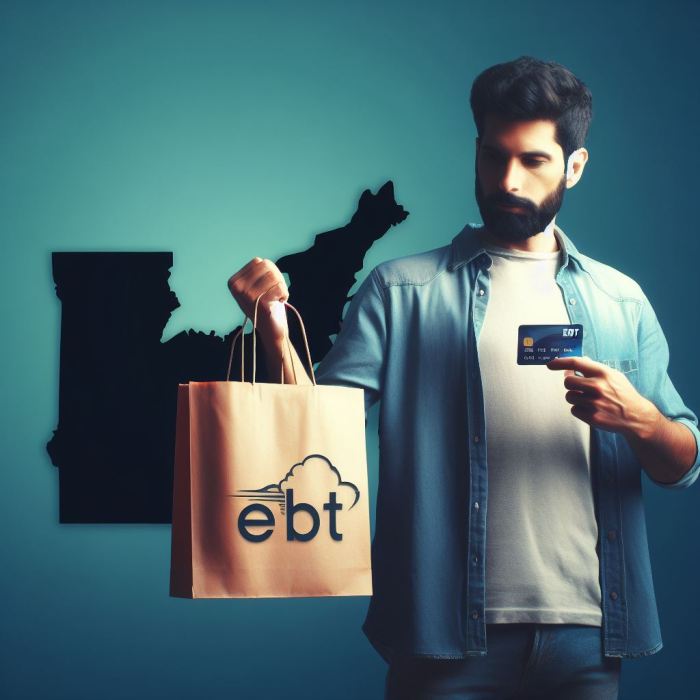
Maintaining your Safelink phone and service is crucial for continued connectivity and communication. Regular care and attention can prevent service interruptions and enhance your overall experience. Understanding how to effectively manage your device and the associated services will ensure that you stay connected without any hassle.
Actions to Keep Your Service Active
To ensure that your Safelink service remains active, it’s essential to follow specific guidelines. These actions help in preventing potential disruptions in service and keeping your device operational.
- Regularly check your account balance and service status through the Safelink website or app to avoid any unexpected interruptions.
- Use your phone at least once every 30 days to comply with Safelink’s usage requirements. Inactive accounts may be deactivated.
- Keep your contact information updated with Safelink to receive important notifications regarding your service.
- Ensure you recharge your plan as necessary to maintain your eligibility for the free service.
Handling Issues with Your Phone or Service Quality
When you encounter issues with your Safelink phone or service quality, it’s important to address them promptly to minimize inconvenience. Many problems can be resolved with simple troubleshooting steps.
- If your phone isn’t working properly, restart the device to reset any temporary glitches.
- Check for any software updates that may be available, as these can enhance performance and resolve known issues.
- In cases of poor reception or call quality, ensure you are in an area with adequate network coverage.
- If you experience persistent issues, consider contacting Safelink’s customer service for assistance.
Resources for Additional Support
In case of technical difficulties or questions regarding your Safelink service, several resources provide additional support and troubleshooting tips. These resources ensure you receive the help you need effectively.
- The Safelink official website has a dedicated support section that includes FAQs and guides.
- Customer service can be reached via phone or email for personalized assistance.
- Online forums and community groups can offer peer-to-peer advice and solutions based on shared experiences.
- Social media platforms often feature official pages where users can find updates and interact for support.
Future Developments in Government Assistance Programs Like Safelink
As we look to the future of government assistance programs such as Safelink, it is important to consider the evolving landscape of technology and public policy. With a focus on ensuring that low-income individuals have access to mobile communication services, several key developments are on the horizon that could enhance the effectiveness of programs like Safelink.Emerging trends in technology and policy are set to transform how government assistance programs operate, particularly in the realm of mobile connectivity.
With the continuous advancement of digital communication technologies, there is a significant opportunity to improve service delivery. Moreover, advocacy groups are tirelessly working to bridge the digital divide, ensuring that disadvantaged populations receive the benefits of modern technology.
Potential Enhancements to the Safelink Program
Several enhancements to the Safelink program are anticipated based on current trends in technology and consumer needs. By integrating innovative solutions, the program can expand its reach and improve user experience.
- Increased Data Allowance: Future iterations of the Safelink program may include higher data caps reflecting the growing reliance on internet services for daily activities, such as remote work and online education.
- Partnerships with Tech Companies: Collaborations with technology firms could lead to better devices and user-friendly applications, making mobile services more accessible.
- Enhanced Customer Support: Utilizing AI-driven chatbots and support systems to provide timely assistance to users, improving overall satisfaction.
Emerging Technologies for Mobile Services
The intersection of emerging technologies and government assistance programs presents exciting possibilities for enhancing mobile services for low-income individuals. These advancements could significantly improve how users access and manage their mobile services.
- 5G Technology: The rollout of 5G networks is expected to provide faster and more reliable internet connections, making it easier for low-income individuals to access vital online resources.
- Mobile Apps for Managing Benefits: Development of user-friendly applications that allow beneficiaries to track their usage, manage their accounts, and receive personalized offers can empower users.
- Internet of Things (IoT): IoT devices can facilitate smarter communication, enabling users to connect multiple devices seamlessly, thus enhancing their access to online services.
Role of Advocacy Groups in Expanding Access, Apply for Safelink Free Phone With Eligible Government Program
Advocacy groups play a critical role in expanding access to technology for disadvantaged populations. Through various initiatives, these organizations strive to ensure that everyone can benefit from advancements in mobile communication.
- Policy Advocacy: Many advocacy groups actively lobby for policies that increase funding for programs like Safelink, ensuring that more individuals receive the services they need.
- Public Awareness Campaigns: These organizations often run campaigns to educate low-income communities about available services and how to enroll, significantly increasing program uptake.
- Community Engagement: Grassroots efforts to engage with communities can help tailor services to meet specific local needs, ensuring that programs like Safelink remain relevant and effective.
Wrap-Up
In conclusion, applying for the Safelink Free Phone with Eligible Government Program can open doors to improved communication and access to vital services. By understanding the eligibility requirements and navigating the application process, individuals can secure a resource that not only enhances their daily lives but also connects them to opportunities and support networks. Embrace the chance to stay connected and experience the positive change a Safelink phone can bring!
Popular Questions
What is the Safelink program?
The Safelink program provides free phone services to eligible low-income individuals to ensure they can stay connected.
Who is eligible for the Safelink program?
Eligibility typically requires participation in certain government assistance programs, such as SNAP or Medicaid.
How do I apply for Safelink services?
You can apply online through the Safelink website or by visiting authorized retailers and service providers.
What documents do I need to provide?
You will need proof of eligibility, such as documentation of your participation in qualifying government programs.
Can I keep my phone number if I switch to Safelink?
Yes, you can port your existing phone number when you switch to Safelink services, ensuring you don’t lose contact with your connections.



Leave a Comment