

Choose Wireless WiFi Router With High Speed Dual Band Connectivity is the ultimate solution for modern internet needs, ensuring that your online activities are smooth and uninterrupted. In today’s fast-paced digital environment, where connectivity is paramount, a high-speed dual-band router not only offers speed but also enhances user experience by minimizing lag and buffering. With the growing demand for multiple devices and high-bandwidth applications, understanding the advantages of dual-band technology can significantly impact your daily internet usage.
As we delve deeper into the world of wireless technology, it’s clear that high-speed dual-band routers are becoming essential tools for homes and businesses alike. They combine frequency bands to accommodate both high-speed activities, like gaming and streaming, and everyday browsing, making them versatile for diverse user needs. Let’s explore what to look for when choosing the right router and how it can elevate your connectivity experience.
Understanding the Importance of High-Speed Dual-Band Connectivity in Wireless Routers
In today’s fast-paced digital environment, connectivity is more than just a luxury—it’s a necessity. High-speed dual-band routers are at the forefront of meeting the increasing demands for seamless internet access across multiple devices. With the rise of streaming services, online gaming, and smart home technologies, the need for robust, high-speed internet has never been more critical.High-speed connectivity plays a pivotal role in ensuring smooth online experiences.
Dual-band technology enhances this experience by providing two separate frequency bands—2.4GHz and 5GHz. The 2.4GHz band is excellent for covering broader areas and connecting devices that require less bandwidth, such as smart appliances. Conversely, the 5GHz band caters to high-speed connections, ideal for activities like streaming HD videos and online gaming. This separation of tasks not only reduces network congestion but also optimizes performance, allowing multiple devices to connect without compromising speed or reliability.
Advantages of Dual-Band Technology
The adoption of dual-band technology in wireless routers comes with several significant benefits that enhance user experience:
Faster Speeds
Dual-band routers can support higher data rates, allowing for quicker downloads and smoother streaming. Studies indicate that dual-band routers can provide speeds that are up to 3 times faster than their single-band counterparts.
Reduced Interference
The 5GHz band is less prone to interference from other devices, such as microwaves and cordless phones, which often affect the 2.4GHz band. This results in a more stable and reliable connection.
Greater Device Capacity
With an increasing number of smart devices in households, dual-band routers can handle more devices simultaneously without noticeable drops in performance. Research shows that dual-band routers can support up to 30 devices at once, compared to single-band routers that may struggle with more than 10.
Optimized Performance
Users can prioritize bandwidth for specific activities. For instance, heavy users can connect to the 5GHz band for gaming or streaming, while less demanding devices can operate on the 2.4GHz band.
“The average household now hosts more than 10 connected devices, emphasizing the need for robust dual-band solutions.”
By integrating high-speed dual-band connectivity into your home or office network, you pave the way for an enhanced digital experience that meets the needs of all users, whether they are gamers, remote workers, or casual browsers. The future of internet connectivity lies in optimizing every aspect of the online experience, and high-speed dual-band routers stand at the helm of this technological evolution.
Key Features to Look for When Choosing a Wireless WiFi Router
Selecting the right wireless WiFi router is crucial for ensuring a seamless online experience at home or in the office. The right features can significantly impact your internet speed, range, and security, making it essential to understand what to look for when making your choice. Below, we delve into the key features that contribute to overall performance, helping you make an informed decision.
Speed Ratings and Performance
When it comes to speed ratings, understanding the different WiFi standards is vital. Most modern routers support the latest WiFi 6 (802.11ax) technology, which offers enhanced speed and efficiency compared to its predecessors like WiFi 5 (802.11ac) and older standards. WiFi 6 can provide data rates of up to 9.6 Gbps, making it ideal for multiple devices streaming high-definition content simultaneously.In addition to the standard, look for routers with dual-band or tri-band capabilities.
Dual-band routers operate on both 2.4 GHz and 5 GHz frequencies, allowing for greater flexibility and reduced interference. Tri-band routers add an additional 5 GHz band, further improving performance in environments with numerous connected devices.
Range and Coverage
The range of a WiFi router is another critical factor. Most routers specify their coverage area in square feet, which can vary greatly based on the router’s design, antenna configuration, and the environment in which it is used. Generally, a good range for home use is around 1,500 to 3,000 square feet.To enhance coverage, consider routers with advanced beamforming technology.
This feature directs WiFi signals towards connected devices rather than broadcasting them in all directions, resulting in stronger connections even at a distance.
Security Protocols
Security is paramount when selecting a wireless router. Look for models that support the latest WiFi security protocols, particularly WPA3, which offers improved encryption and protection against unauthorized access. Additionally, consider routers that offer built-in firewalls and intrusion detection systems. Some models provide parental controls and guest network options, allowing you to safeguard your main network while providing access to guests without compromising security.
Comparison of Popular Models
To clarify your choices, here’s a comparison of a few popular wireless routers based on their specifications and features:
| Router Model | Speed Rating | Range | Security Protocol | Unique Features |
|---|---|---|---|---|
| Router A (WiFi 6) | 9.6 Gbps | 3,000 sq ft | WPA3 | Tri-band, MU-MIMO |
| Router B (WiFi 5) | 3.5 Gbps | 2,000 sq ft | WPA2 | Beamforming, QoS |
| Router C (WiFi 6) | 5.4 Gbps | 2,500 sq ft | WPA3 | VPN support, Traffic prioritization |
“Choosing a router with the right specifications ensures a faster, more secure, and reliable internet connection for all your devices.”
The Setup Process for a High-Speed Dual-Band Wireless Router
Setting up your high-speed dual-band wireless router is crucial to maximizing your internet connectivity and overall network performance. A well-configured router not only enhances the speed but also ensures a stable connection for multiple devices. Here is a comprehensive guide to help you through the setup process for optimal performance.
Step-by-Step Setup Process
To successfully install your dual-band router, follow these detailed steps to ensure a seamless connection:
1. Unbox and Check Contents
Ensure you have everything you need before starting:
High-speed dual-band router
Power adapter
Ethernet cable
Quick start guide or user manual
2. Physical Placement
Choose an ideal location for your router. It should be centrally located in your home or office to ensure even signal distribution, away from thick walls or electronic devices that may cause interference.
3. Connect to the Modem
Use the Ethernet cable to connect the router’s WAN (Internet) port to your modem. This establishes your router’s internet connection.
4. Power Up the Router
Plug the power adapter into an electrical outlet and connect it to your router. Wait for the router to boot up; this typically takes a couple of minutes.
5. Connect Devices
You can connect your device to the router using another Ethernet cable for a wired connection or connect via Wi-Fi using the default Wi-Fi name (SSID) and password found on the router or its manual.
6. Access the Router’s Settings
Open a web browser and enter the router’s default IP address (often 192.168.1.1 or 192.168.0.1) into the address bar. Log in using the default username and password.
7. Configure Wireless Settings
Navigate to the wireless settings section to customize the:
SSID (Wi-Fi name)
– Password Security settings (WPA2 is recommended for better security)
8. Enable Dual-Band Functionality
Ensure both 2.4GHz and 5GHz bands are enabled. The 2.4GHz band provides better range, while the 5GHz band offers higher speeds for closer connections.
-
9. Update Firmware
Check for firmware updates in the settings to ensure your router has the latest software for performance and security enhancements.
- 1
0. Save and Reboot
After making your changes, save the settings and reboot the router to apply them effectively.
Checklist for Installation and Configuration, Choose Wireless WiFi Router With High Speed Dual Band Connectivity
Having a checklist simplifies the installation process. Here’s what you need:
- High-speed dual-band router
- Power adapter
- Ethernet cable
- Modem
- Internet service subscription
- Device (smartphone, laptop, or PC) for configuration
- Access to a web browser
- User manual
Troubleshooting Tips for Connectivity Issues
Even with careful setup, connectivity issues may arise. Here are common troubleshooting tips to resolve them effectively:
Check Physical Connections
Ensure all cables are securely connected to both the router and modem, and power sources are working correctly.
Reset the Router
If connectivity issues persist, perform a factory reset by holding the reset button for about 10 seconds. Reconfigure your router afterward.
Reboot Devices
Sometimes, simply restarting your devices can solve connectivity issues.
Check for Interference
Relocate your router away from walls, microwaves, and other wireless devices that could interfere with the signal.
Update Network Drivers
Ensure that the network drivers on your devices are up to date for optimal compatibility and speed.
Contact Your ISP
If all else fails, reach out to your Internet Service Provider to verify that there are no outages or service issues in your area.
“A well-configured router is the backbone of a fast and reliable internet connection.”
The Impact of Router Placement on Connectivity and Speed: Choose Wireless WiFi Router With High Speed Dual Band Connectivity
Proper placement of your wireless router is crucial for achieving optimal connectivity and speed. The physical location of the router affects how well the wireless signals can travel throughout your home or office, influencing the overall performance of your internet connection. Selecting the right spot can significantly enhance your browsing experience, allowing you to enjoy seamless streaming, gaming, and teleconferencing.The performance of a wireless router is directly related to its placement.
Physical obstructions, such as walls, furniture, and appliances, can weaken the signal strength and reduce the speed of your internet connection. Additionally, interference from electronic devices can further impact performance. To maximize signal coverage and minimize dead spots, consider a few essential placement strategies.
Optimal Locations for Router Installation
Choosing the right location for your router can make a significant difference in performance. The following recommendations highlight key areas to consider for installation:
- Central Location: Place your router in a central part of your home or office to ensure even distribution of the wireless signal. This helps reach all corners effectively.
- Elevated Position: Position the router on a shelf or mount it high on a wall to avoid obstructions and allow signals to disperse more freely.
- Away from Interference: Keep the router away from electronic devices like microwaves, cordless phones, and Bluetooth devices that can interfere with the signal.
- Open Spaces: Ensure the router is placed in an open area rather than in a closed cabinet or behind furniture, which can block signal transmission.
- Distance from Walls: Avoid placing the router too close to walls or corners, as these barriers can absorb and reflect signals, diminishing coverage.
Testing the signal strength in different areas of your home or office is vital to understanding your router’s performance. By following these methods, you can identify the best spots for your router:
Methods for Testing Signal Strength
Understanding the effectiveness of your router’s placement involves assessing the signal strength throughout your building. Here are some methods to evaluate connectivity:
- Wi-Fi Analyzer Apps: Use smartphone apps or software tools designed to analyze Wi-Fi signals. These applications provide real-time data on signal strength and can help identify weak zones.
- Speed Tests: Conduct speed tests at various points in your home or office using online tools like Ookla Speedtest to measure the actual internet speeds being experienced.
- Physical Signal Check: Walk around your space with a device connected to the Wi-Fi and note areas where the signal drops significantly or becomes unreliable.
- Network Mapping: Create a simple map of your space to visually record signal strength readings and identify patterns or dead zones.
By optimizing your router’s placement and routinely testing signal strength, you can ensure that your high-speed dual-band connectivity is fully utilized, enhancing your online experience and productivity.
Comparing Different Brands of Wireless Routers with Dual-Band Functionality
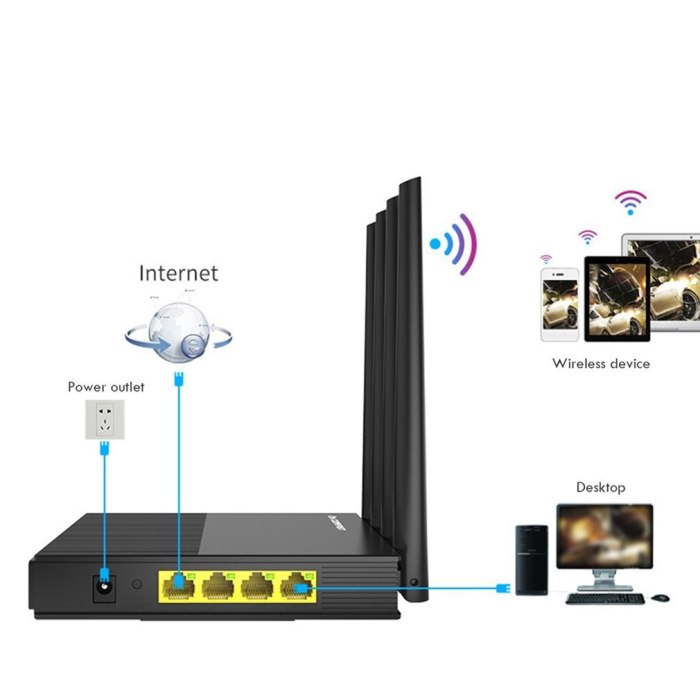
When selecting a wireless router, particularly one with dual-band functionality, it’s essential to consider the various brands available in the market. Each brand offers unique features, performance levels, and customer satisfaction ratings. This comparison aims to highlight popular brands, their specific models, and the advantages and disadvantages associated with each based on customer reviews and expert evaluations.Understanding the key differences among these brands can help consumers make informed decisions while selecting a router that aligns with their specific needs.
Below is a comparative overview of some of the leading brands and their dual-band router offerings.
Comparison of Popular Brands and Their Dual-Band Routers
The following table enumerates several top brands that provide dual-band routers, highlighting their prominent features, advantages, and drawbacks based on user feedback and expert reviews.
| Brand | Model | Speed (Mbps) | Features | Pros | Cons |
|---|---|---|---|---|---|
| Netgear | Nighthawk RAX80 | 6000 | Wi-Fi 6, Smart Connect, MU-MIMO | High speed, excellent coverage, user-friendly interface | Higher price point, setup can be complex for beginners |
| TP-Link | Archer AX50 | 3000 | Wi-Fi 6, HomeCare security, extensive range | Affordable, strong performance, easy setup | Occasional firmware issues reported |
| ASUS | RT-AX88U | 6000 | Wi-Fi 6, Adaptive QoS, AiProtection security | Powerful hardware, great for gaming, robust security | Bulky design, slightly more expensive |
| Linksys | MR9600 | 4800 | Wi-Fi 6, Intelligent Mesh technology | Good coverage, scalable network options | Limited parental controls, average speed compared to competitors |
Each brand presents unique selling points that cater to varied consumer preferences. For instance, Netgear’s Nighthawk series is renowned for its high speed and extensive range, making it ideal for gamers and large households. However, its higher price and complex setup might deter some users. On the other hand, TP-Link’s Archer series balances affordability with solid performance, making it suitable for budget-conscious consumers.
ASUS stands out with its combination of powerful hardware and extensive gaming features, attracting tech-savvy users willing to invest in premium options. Lastly, Linksys offers intelligent mesh technology for those seeking to cover larger areas with seamless connectivity, though its performance may not match that of its competitors in certain aspects.
Choosing the right dual-band wireless router can significantly enhance your online experience, whether for gaming, streaming, or working from home.
Security Considerations When Using a Wireless Router
In today’s digital age, protecting your wireless network is more crucial than ever. With the increasing number of devices connecting to the internet, ensuring that your wireless router is secure can help safeguard personal data and provide peace of mind. Understanding the various security protocols and measures available will empower you to make informed decisions to protect your network effectively.Wireless routers offer a range of security protocols to help protect your network from unauthorized access and cyber threats.
The most common security protocols include WEP, WPA, WPA2, and the latest WPA3. Each of these protocols offers different levels of encryption and security.
Security Protocols for Wireless Routers
The importance of choosing the right security protocol cannot be overstated, as it plays a significant role in protecting your network from intrusions. Below are the primary security protocols available:
- WEP (Wired Equivalent Privacy): This is one of the oldest security protocols, providing minimal security and is generally considered obsolete due to vulnerabilities that make it easily hackable.
- WPA (Wi-Fi Protected Access): This improved protocol offers better security than WEP, using TKIP (Temporal Key Integrity Protocol) for encryption, but it is still vulnerable to certain attacks.
- WPA2: Utilizing AES (Advanced Encryption Standard), WPA2 significantly enhances security by providing stronger encryption methods and is widely recommended for home networks.
- WPA3: The latest protocol, WPA3, introduces advanced security features such as Enhanced Open, which secures open networks, and improved password protection, making it virtually impervious to brute-force attacks.
“Using WPA3 is the most effective way to ensure the highest level of security for your wireless network.”
Securing your wireless network is essential to prevent unauthorized access, data breaches, and identity theft. Here are some important guidelines for enhancing the security of your home network:
Guidelines for Securing a Wireless Network
Implementing these strategies will help create a robust defense against potential threats:
- Change Default Login Credentials: Always change the default username and password for your router’s admin panel to something unique and complex.
- Enable Network Encryption: Ensure that your router’s security protocol is set to WPA2 or WPA3 for optimal encryption.
- Disable SSID Broadcasting: Hiding your network’s SSID (Service Set Identifier) makes it less visible to potential intruders, although it doesn’t completely hide it from advanced users.
- Enable MAC Address Filtering: This feature allows you to specify which devices can connect to your network, adding an extra layer of security.
- Regularly Update Firmware: Keeping your router’s firmware up to date can patch vulnerabilities and enhance functionalities.
“Regular updates to router firmware can prevent vulnerabilities from being exploited.”
Dual-band routers, while offering enhanced connectivity and performance, also come with unique vulnerabilities. Understanding these risks can help mitigate potential attacks.
Potential Vulnerabilities of Dual-Band Routers
While dual-band routers provide the flexibility of both 2.4GHz and 5GHz connections, they may be susceptible to certain vulnerabilities:
- Increased Attack Surface: With two bands to manage, there are potentially more points of entry for attackers, especially if both bands are unsecured or have weak passwords.
- Interference and Signal Leakage: The 2.4GHz band may be prone to interference, potentially leading to security lapses during connectivity issues, making it easier for attackers to exploit weaknesses.
- Configuration Complexity: Users may misconfigure settings across both bands, inadvertently exposing their network to risks. A unified security approach is necessary to maintain protection across both frequencies.
“Understanding the specific vulnerabilities of dual-band routers is essential for maintaining security.”
Future Trends in Wireless Router Technology
As technology continues to evolve, so does the landscape of wireless connectivity. The future of wireless routers is being shaped by innovations that promise to enhance speed, reliability, and user experience. Let’s delve into the exciting developments on the horizon that will redefine how we connect to the internet.
Innovations in Wireless Router Technology
Emerging technologies are set to transform wireless routers, with a focus on greater speeds and improved connectivity. One of the most significant advancements is the adoption of Wi-Fi 6E, which operates on the 6 GHz band, allowing for wider channels and reduced congestion. This means faster speeds and more stable connections, even in crowded environments.Moreover, the integration of artificial intelligence is paving the way for routers that learn from user behavior, optimizing network performance dynamically.
With features like automatic prioritization for bandwidth-hungry applications such as gaming and streaming, users can expect a seamless online experience.
Mesh Networking and Its Synergy with Dual-Band Routers
Mesh networking technology is revolutionizing how we manage home and office Wi-Fi. Unlike traditional routers, which can create dead zones in large spaces, mesh networks utilize multiple nodes to blanket an area with strong, consistent signal coverage. This approach complements dual-band routers by allowing users to maximize their internet speeds across multiple devices without sacrificing performance.The seamless integration between dual-band capabilities and mesh networking results in an adaptable system that responds efficiently to user demands.
For instance, in a smart home scenario, devices can intelligently switch between frequency bands, ensuring optimal connectivity without interruption.
Predictions on the Evolution of Wireless Connectivity Standards
Experts predict that the next few years will witness significant leaps in wireless connectivity standards, with Wi-Fi 7 on the horizon. Expected to launch in the mid-2020s, Wi-Fi 7 will introduce advanced technologies such as Multi-Link Operation (MLO), which allows devices to connect over multiple bands simultaneously, enhancing throughput and reducing latency.Furthermore, the increasing integration of Internet of Things (IoT) devices will necessitate robust wireless standards, shaping the way routers are designed and operated.
As smart homes become the norm, routers will evolve to support a larger number of simultaneous connections while maintaining high performance.In conclusion, the future of wireless router technology is bright, marked by innovations in speed, connectivity, and user experience. With advancements like Wi-Fi 6E, AI integration, and the promise of Wi-Fi 7, users can look forward to a more efficient and powerful wireless experience.
User Experiences
As technology evolves, user experiences with high-speed dual-band routers reveal their significant impact on daily internet use. Customers across various demographics have shared testimonials highlighting how these routers have transformed their online activities, making them more efficient and enjoyable. The dual-band feature, providing both 2.4GHz and 5GHz frequencies, has proven crucial in delivering seamless connectivity for diverse applications ranging from streaming to gaming.The importance of high-speed dual-band routers is underscored by the many real-life scenarios where they have overcome common connectivity challenges.
Users report not just improved speeds but also enhanced stability, allowing multiple devices to connect without interference. This has been a game-changer for households and businesses alike, improving productivity and leisure.
Real-Life Testimonials and Case Studies
Numerous users have reported transformative experiences with dual-band routers in various settings. Below are some notable examples illustrating the significant advantages these devices offer:
- Home Streaming Experience: A family of four in a suburban neighborhood found their streaming experience drastically improved after switching to a dual-band router. Previously, they faced constant buffering during movie nights due to multiple devices connected to the same frequency. With the new router, the 5GHz band offered faster speeds for streaming on their smart TV, while the 2.4GHz band managed other devices, resulting in uninterrupted viewing.
- Remote Work Productivity: A remote worker in a bustling city struggled with connectivity during video conferences, often dropping out or experiencing lag. After upgrading to a dual-band router, the user reported crystal-clear video calls and faster data transfer for file uploads, enhancing overall work efficiency and communication with colleagues.
- Gaming Performance: An avid gamer experienced significant latency issues during online matches. Transitioning to a high-speed dual-band router allowed him to connect his gaming console to the faster 5GHz band, reducing lag times dramatically and providing a competitive edge in his gaming sessions.
- Smart Home Integration: A tech-savvy homeowner utilized a variety of smart devices throughout their house. The dual-band router facilitated seamless communication among devices, from smart lights to security cameras, ensuring reliable operation without interference from network congestion.
“The switch to a dual-band router felt like upgrading my internet to a whole new level. No more lag, just pure streaming bliss!”
A satisfied customer.
Overall, these user experiences demonstrate that high-speed dual-band routers are not just a luxury but increasingly essential in today’s connected world. With their ability to cater to multiple devices and varied internet usage scenarios, they stand out as a vital solution for anyone seeking reliable and high-speed internet connectivity.
Final Summary
In conclusion, opting for a high-speed dual-band wireless router is a smart investment for anyone looking to enhance their internet experience. By understanding key features, setup processes, and the importance of placement, users can maximize their router’s potential. As technology continues to evolve, staying informed about the best solutions available will ensure you remain connected in a world that demands speed and reliability.
Choose wisely and enjoy seamless connectivity like never before!
User Queries
What is the difference between dual-band and single-band routers?
Dual-band routers operate on two frequencies (2.4 GHz and 5 GHz), allowing for faster speeds and less interference compared to single-band routers that only use 2.4 GHz.
How do I know if I need a dual-band router?
If you have multiple devices connected to the internet, engage in streaming, gaming, or use bandwidth-heavy applications, a dual-band router is recommended for optimal performance.
Can I use a dual-band router with older devices?
Yes, dual-band routers are backward compatible, meaning older devices can still connect to the 2.4 GHz band.
What is the typical range of a dual-band router?
The range can vary based on the router model and obstacles but generally, dual-band routers provide a range of approximately 150-300 feet indoors.
How can I secure my dual-band router?
Implement strong passwords, enable WPA3 encryption, regularly update firmware, and disable remote management to enhance security.




Leave a Comment