

Claim Airtalk Wireless Free Phones With Eligible Lifeline Program is your gateway to bridging the digital divide! For individuals and families facing financial hardships, this program offers a lifeline by providing free mobile phones, ensuring everyone has access to essential communication tools. The Lifeline Program, a vital initiative in the U.S., aims to assist low-income households by offering them affordable telecommunications services, and Airtalk Wireless stands out as a trusted provider in this arena.
With a rich history and a commitment to inclusivity, the Lifeline Program has evolved significantly, adapting to the changing needs of its users. Airtalk Wireless enhances this initiative by offering a variety of modern smartphones that boast impressive features. By taking advantage of this opportunity, eligible individuals can enjoy seamless connectivity and access to crucial resources, making a significant impact on their daily lives.
The Lifeline Program’s Role in Providing Free Phones to Eligible Users
The Lifeline Program is a federal initiative designed to ensure that low-income individuals and households have access to essential communication services. Established in 1985, it aimed to provide discounted telephone services, expanding later to include broadband access. The program recognizes that communication is a vital part of modern life, allowing individuals to stay connected with family, seek employment, and access necessary services.
The initiative plays a crucial role in bridging the digital divide, empowering individuals with the means to communicate in an increasingly digital world.The Lifeline Program serves as a lifeline for eligible participants, particularly those living in poverty. To qualify for the program, applicants must meet specific income criteria or participate in certain federal assistance programs. The eligibility criteria include:
- Income at or below 135% of the federal poverty guidelines.
- Participation in federal assistance programs like Medicaid, Supplemental Nutrition Assistance Program (SNAP), or Federal Public Housing Assistance.
- Eligibility for Tribal programs such as Bureau of Indian Affairs General Assistance or Tribal TANF.
These criteria ensure that the program is targeted at the most vulnerable populations, providing them with a vital resource for communication. By receiving free or reduced-cost phones and service plans, eligible households can improve their quality of life, enabling them to connect with job opportunities, healthcare providers, and educational resources.Over the years, the Lifeline Program has evolved significantly. Initially focused on landline services, the program expanded to include mobile phones and internet services in response to technological advancements and changing communication needs.
The introduction of wireless services in the early 2000s marked a major shift, allowing participants to receive smartphones equipped with essential features and applications. This evolution reflects an ongoing commitment to adapting to the demands of modern society, ensuring that no one is left behind in the digital age.Additionally, the Lifeline Program’s outreach efforts have increased, helping more individuals learn about the benefits available to them.
As the program continues to develop, it remains a cornerstone in the fight against poverty by fostering connectivity and enhancing opportunities for low-income households.
Understanding Airtalk Wireless and Its Offerings
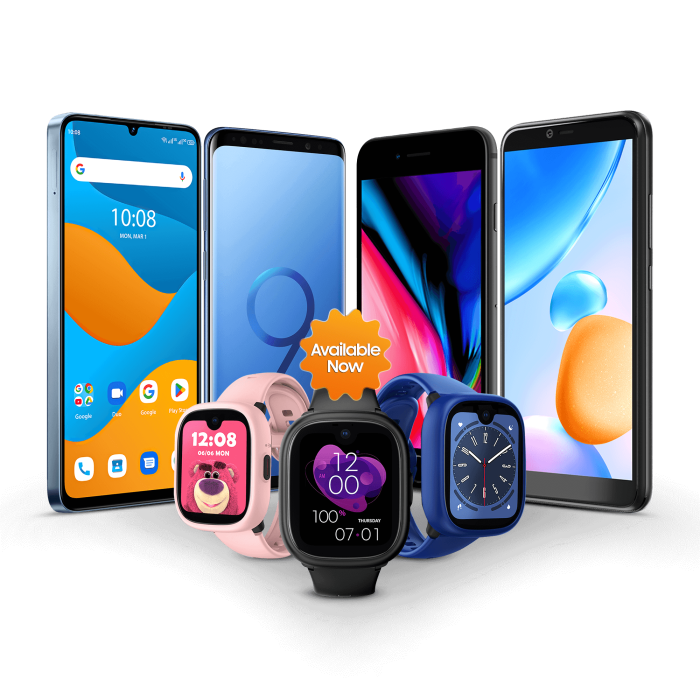
Airtalk Wireless stands as a prominent player in the telecommunications industry, primarily known for its commitment to providing accessible communication services through the Lifeline program. This initiative is aimed at ensuring every individual, regardless of their financial situation, has access to essential phone services. The benefits of Airtalk Wireless extend beyond basic connectivity, reflecting a dedication to customer satisfaction and technological advancement.Airtalk Wireless offers an array of services that cater to diverse customer needs.
These services include free monthly talk time, text messaging, and data plans, which are designed to keep users connected with their loved ones and the world. Customers can enjoy reliable service coverage powered by major network infrastructures, ensuring seamless communication. In addition to standard offerings, Airtalk Wireless also provides special features such as voicemail, call waiting, and caller ID, enhancing the user experience and allowing for greater control over communication preferences.
Available Phones and Their Features
Airtalk Wireless provides a selection of smartphones that are not only functional but also equipped with modern technology. The selection includes various models that cater to different preferences and usage patterns. The available phones often feature:
- Touchscreen Displays: Many models come with vibrant and responsive touchscreen displays, providing users with an intuitive interface.
- High-Quality Cameras: Most phones include advanced camera systems that allow users to capture memories in stunning detail, with features like autofocus and high-resolution capabilities.
- Long Battery Life: Devices are designed to support extended usage without frequent recharging, making them ideal for users on the go.
- Expandable Storage: Select models offer expandable memory options, allowing users to store more apps, photos, and files without compromising on performance.
- Latest Operating Systems: Devices typically run on the latest versions of Android or iOS, providing access to current apps and features.
Airtalk Wireless distinguishes itself from competitors with unique selling points that resonate with its target audience. Primarily, the Lifeline program offers eligible customers free phones and service, a significant advantage in a market where affordability is paramount. Furthermore, Airtalk Wireless emphasizes customer support, ensuring users have access to assistance whenever needed. The brand also focuses on straightforward application processes, making it easier for individuals to enroll in the Lifeline program without unnecessary hurdles.Overall, Airtalk Wireless not only provides essential telecommunications services but also prioritizes customer needs, making it an attractive choice for those seeking reliable and affordable mobile solutions.
Steps to Claim Your Free Phone from Airtalk Wireless: Claim Airtalk Wireless Free Phones With Eligible Lifeline Program
Airtalk Wireless provides an exceptional opportunity for eligible individuals to receive a free phone through the Lifeline program. This initiative aims to help those in need gain access to essential communication services without financial strain. Understanding the steps to claim your free phone is crucial for a smooth application process.Applying for a free phone from Airtalk Wireless involves several steps, which are designed to ensure that applicants meet the eligibility requirements stipulated by the Lifeline program.
The following detailed steps will guide you through the application process, from gathering necessary documentation to submitting your application.
Application Process Overview
The application for a free phone from Airtalk Wireless requires careful attention to detail. Here’s a comprehensive breakdown of the steps involved:
1. Check Eligibility
Ensure you meet the eligibility criteria for the Lifeline program. Typically, this includes being a participant in certain government assistance programs or having a household income that is at or below the federal poverty guidelines.
2. Gather Required Documentation
Before you begin the application, you need to collect specific documents that prove your eligibility. This is a crucial step as incomplete or inaccurate information can lead to delays in your application.
3. Visit the Airtalk Wireless Website
Navigate to the Airtalk Wireless website to access the application form. Look for the section dedicated to Lifeline applications.
4. Complete the Application Form
Fill in the required fields, ensuring all information is accurate and matches the documentation you have provided. Take your time to avoid any mistakes that could complicate your application.
5. Submit Your Application
After completing the form, submit it online or via the designated method Artikeld on the website. Make sure to keep a copy of your application for your records.
6. Follow Up
After submission, you may want to follow up with Airtalk Wireless to confirm that your application has been received and that there are no outstanding issues.The following checklist will assist you in ensuring that you have all necessary documents and information before starting the application process:
- Proof of identity (government-issued ID such as a driver’s license or passport)
- Proof of residency (utility bill, lease agreement, or similar document with your name and address)
- Proof of income (pay stubs, tax returns, or documentation showing participation in qualifying assistance programs)
- Social Security number (or the last four digits of your SSN)
- Contact information (email and phone number)
Common mistakes applicants should avoid during the process include:
Submitting incomplete applications or incorrect documentation can lead to delays or denial of the application.
- Ensure that all documents are current and clearly readable.
- Double-check personal information to avoid typos or inaccuracies.
- Don’t assume eligibility without reviewing the specific requirements Artikeld by Airtalk Wireless.
- Submit your application promptly and follow through on any requests for additional information.
By carefully following these steps and avoiding common pitfalls, you can successfully claim your free phone from Airtalk Wireless and enjoy the benefits of reliable communication.
The Application Process for the Lifeline Program
The Lifeline Program is a vital initiative designed to provide affordable telecommunications services to eligible low-income individuals and families. By applying through Airtalk Wireless, applicants can receive free phones and monthly service, helping to bridge the digital divide. The application process is straightforward, ensuring that those in need can access the benefits quickly and easily.To begin the application process for the Lifeline Program through Airtalk Wireless, applicants must first check their eligibility.
This involves meeting specific income thresholds or being a participant in certain government assistance programs, such as Medicaid or SNAP. Once eligibility is confirmed, applicants can proceed to submit their application, which involves several steps. Below is a detailed flowchart format to visualize the application process.
Application Process Flowchart
The following flowchart Artikels the essential steps in the application process:
1. Eligibility Check
Verify that you meet Lifeline Program eligibility requirements.
2. Gather Required Documents
Collect necessary documents, such as proof of income or participation in qualifying programs.
3. Complete Application Form
Fill out the Airtalk Wireless Lifeline application form either online or via mail.
4. Submit Your Application
Send your completed application along with documents to Airtalk Wireless.
5. Application Review
Airtalk Wireless reviews your application for completeness and eligibility.
6. Receive Confirmation
Await confirmation of your application status.
7. Phone Delivery
If approved, receive your free phone and service plan.This flowchart delineates the straightforward steps to ensure a smooth application process. The entire application process can typically take between 7 to 30 days from the moment you submit your application until your phone is delivered. After submitting the application, Airtalk Wireless will conduct a review to confirm both the accuracy of the provided information and your eligibility status.
The timeline may vary depending on factors such as the volume of applications being processed and the completeness of the documentation submitted. Once approved, Airtalk Wireless will dispatch your free phone directly to your mailing address. During this period, applicants should keep an eye on their email or phone for any communications from Airtalk Wireless regarding their application’s status. To summarize the key points on the application timeline:
- Application Submission: Time taken can vary based on the completeness of the application.
- Review Period: Takes approximately 3 to 7 days for processing.
- Confirmation of Eligibility: Usually communicated within a week following the review.
- Phone Delivery: After approval, delivery may take an additional 5 to 10 business days.
By understanding these steps and the timeline, applicants can effectively navigate the Lifeline Program’s application process through Airtalk Wireless, ensuring they gain access to this essential service without unnecessary delays.
Frequently Asked Questions About the Lifeline and Airtalk Wireless
The Lifeline Program, a vital federal initiative, provides eligible individuals with access to essential phone services, thereby promoting connectivity in underserved communities. Airtalk Wireless, as a provider under this program, offers a range of benefits designed to enhance user experience while addressing common concerns. Below are key details that clarify frequent inquiries regarding the Lifeline Program and the offerings of Airtalk Wireless.
Common Inquiries Regarding Lifeline and Airtalk Wireless
Understanding the Lifeline Program and Airtalk Wireless can help maximize the benefits available to you. The following table summarizes frequently asked questions and highlights how Airtalk Wireless stands out compared to other providers.
| Question | Airtalk Wireless Response | Comparison with Other Providers |
|---|---|---|
| What is the Lifeline Program? | The Lifeline Program is a federal initiative that reduces the cost of phone service for eligible consumers, ensuring they have access to essential communication services. | Most providers offer similar explanations, but Airtalk specifies eligibility criteria in a straightforward manner, making it easier for potential applicants to understand. |
| Who is eligible for Lifeline benefits? | Eligibility for Lifeline is based on income levels or participation in certain government assistance programs, such as SNAP or Medicaid. | Other providers may not provide detailed guidelines; Airtalk clearly Artikels eligibility on its website, simplifying the application process. |
| What services are included with Airtalk Wireless? | Airtalk Wireless offers a free smartphone, unlimited talk and text, and a generous data plan for eligible users under the Lifeline program. | While many providers offer similar packages, Airtalk Wireless stands out with its emphasis on customer service and user-friendly mobile apps. |
| How do I apply for the Lifeline Program with Airtalk Wireless? | To apply, users can visit the Airtalk Wireless website, fill out the online application, and submit required documentation. | Other providers may require more complex application processes, while Airtalk’s online submission is streamlined for efficiency. |
| Can I keep my existing number? | Yes, Airtalk Wireless allows users to transfer their current phone number when enrolling in the Lifeline Program. | Some competitors impose restrictions on number portability, but Airtalk prioritizes flexibility for its customers. |
| Is there a limit to how long I can receive Lifeline benefits? | Participants can receive Lifeline benefits as long as they remain eligible and comply with program rules. | Many providers share this limitation, but Airtalk’s commitment to ongoing customer support helps users navigate any changes in eligibility. |
“Airtalk Wireless is dedicated to empowering individuals through connectivity, ensuring everyone has access to vital communication tools.”
The Impact of Access to Free Phones on Low-Income Families
In today’s digital age, mobile phones have transitioned from being mere communication devices to essential tools that facilitate day-to-day life. For low-income families, access to free phones through programs like Lifeline can be transformative. By bridging the gap in connectivity, these programs provide families with the means to improve their circumstances, access opportunities, and maintain essential communication channels.Access to free phones can dramatically change lives by enabling various avenues for personal advancement and community engagement.
For many low-income families, owning a mobile phone means more than calls and texts; it signifies access to education, employment, and vital resources. The ability to connect to the internet through their phones allows families to search for jobs, enroll in online courses, and access health information, which plays a crucial role in their overall well-being.
Personal Stories and Positive Effects of Connectivity, Claim Airtalk Wireless Free Phones With Eligible Lifeline Program
The stories of individuals who have benefited from free phones highlight the profound impact of technology access. For instance, Maria, a single mother of three, struggled to find stable employment while juggling her responsibilities at home. Upon receiving a free phone, she was able to apply for jobs online and communicate directly with potential employers. Within months, she secured a position that not only improved her financial situation but also provided a stable environment for her children.Similarly, a young man named David used his free phone to connect with a local community college.
With easy access to online courses, he was able to pursue his education and gain skills that ultimately led to a better-paying job. His story illustrates how technology can serve as a catalyst for personal growth and economic mobility.The broader implications of technology access for low-income families extend beyond individual success stories. A connected household can foster a sense of belonging and community.
Families can stay in touch with relatives, access support networks, and engage in local events. This connectivity is vital for emotional support, particularly during challenging times.Additionally, the implications of having a free phone translate into improved health outcomes. Families can make appointments, consult with healthcare professionals via telemedicine, and receive important health alerts. This access ensures that they stay informed about medical care options and health resources in their communities.Access to free phones also enhances the educational prospects for children in low-income families.
With their own devices, children can complete homework assignments, participate in virtual learning opportunities, and explore educational resources. This shift not only supports academic success but also helps bridge the digital divide that often exists between low-income and more affluent families.In summary, the ability to access free phones through programs like Lifeline empowers low-income families by providing essential tools for communication, education, employment, and health care.
The ripple effect of this access can lead to improved quality of life, enhanced community connections, and the potential for long-term change in their circumstances.
Addressing Concerns and Misconceptions About Free Phone Programs
Free phone programs like Lifeline have long been misunderstood, often viewed through a lens of skepticism and stigma. Many people are unaware of the numerous benefits these programs provide to eligible individuals and families, particularly those facing financial hardships. By addressing common misconceptions, we can help create a more informed and accepting environment for those who utilize these vital services.One prevalent misconception about free phone programs is that they are only for those who are “lazy” or unwilling to work.
In reality, many recipients of Lifeline assistance are hardworking individuals who are struggling to make ends meet due to unforeseen circumstances, such as job loss, medical emergencies, or other life challenges. Free phone programs serve as a crucial lifeline, enabling these individuals to stay connected with potential employers, healthcare providers, and loved ones.
Combatting the Stigma of Receiving Assistance
The stigma associated with receiving assistance can deter many eligible individuals from seeking help. It is essential to understand that using programs like Lifeline is not a sign of failure but rather a resource for empowerment. Recognizing that assistance can be a temporary stepping stone toward financial stability may help shift attitudes. To combat the stigma, it is important to share success stories of individuals who have benefited from Lifeline services and improved their circumstances, showcasing that assistance can lead to positive outcomes.Here are some ways to combat the stigma surrounding free phone programs:
- Education and Awareness: Increasing awareness of the Lifeline program’s purpose and benefits can help dispel myths. Informing the public about who qualifies and how to apply can encourage participation without shame.
- Community Support: Cultivating a supportive community where individuals feel comfortable discussing their needs and experiences can help normalize the use of assistance programs.
- Advocacy: Advocacy initiatives can help to promote understanding and acceptance of assistance programs, pushing back against negative stereotypes.
Accurate information is a powerful tool in dispelling misconceptions. Resources such as the Federal Communications Commission (FCC) website provide comprehensive information about the Lifeline program, including eligibility criteria and application processes. Additionally, local community organizations often offer support and guidance for individuals seeking assistance. By utilizing these resources, individuals can become better informed and empowered to take advantage of the benefits available to them.
The Lifeline program ensures that every American has access to essential communication services, bridging the gap for those in need.
Future of Free Phone Programs and Lifeline Initiatives
As we look ahead, free phone programs like the Lifeline initiative are poised to undergo significant evolution, driven by technological advancements, policy reforms, and the ever-changing landscape of communication needs. These programs are not merely about providing phones; they are essential tools for ensuring connectivity and access to critical services for low-income individuals. The future holds promise for greater inclusivity and enhanced services, fundamentally transforming how these initiatives operate.
The trajectory of free phone programs suggests a move towards more integrated services that encompass not just voice calls but also internet access and digital literacy programs. With the rapid expansion of internet connectivity and the increasing reliance on online services, it’s likely that the Lifeline Program will adapt to include support for smartphones, offering access to mobile data alongside traditional voice calling.
This evolution will empower beneficiaries to engage in telehealth, online education, and job searches, which are critical in today’s digital economy.
Potential Policy Changes Impacting the Lifeline Program
The future of the Lifeline Program will likely be shaped by various policy changes at both state and federal levels. Legislators are increasingly recognizing the importance of digital equity and may introduce measures aimed at expanding eligibility and funding for these programs. Such policies could include:
- Increased Funding: A potential increase in federal funding could enhance the Lifeline Program, allowing for the provision of better devices and services.
- Expanded Eligibility Criteria: Policymakers may consider expanding eligibility to include more individuals and families facing economic hardships.
- Integration with Other Social Services: Future programs might integrate Lifeline services with other social welfare programs to streamline access and support.
- Promoting Digital Literacy: Policies focused on digital literacy could accompany phone distribution, ensuring beneficiaries can fully utilize their devices.
The following recommendations could significantly improve the Lifeline initiative, ensuring it meets the needs of those it aims to serve:
- Enhance outreach efforts to educate eligible users about the Lifeline Program and its benefits.
- Implement a streamlined application process to minimize barriers to entry for potential beneficiaries.
- Collaborate with community organizations to provide localized resources and support for users.
- Invest in maintaining quality of service and ensuring that devices provided are up-to-date and functional.
- Foster partnerships with tech companies to equip beneficiaries with essential digital tools and training.
As technology progresses, the Lifeline initiative must evolve to remain relevant and effectively address the connectivity needs of underserved communities.
Last Word
In conclusion, the Claim Airtalk Wireless Free Phones With Eligible Lifeline Program is more than just a service; it is a transformative solution for low-income families seeking to enhance their lives through connectivity. By bridging the gap between technology and those in need, Airtalk Wireless plays a pivotal role in empowering individuals with the tools they need to succeed. Don’t miss out on this opportunity to claim your free phone and unlock a world of possibilities!
FAQ
Who is eligible for the Lifeline Program?
Eligibility typically includes individuals who participate in government assistance programs or have a household income below the federal poverty guidelines.
How do I apply for a free phone from Airtalk Wireless?
You can apply online through the Airtalk Wireless website or by visiting a designated participating store to submit your application in person.
What types of phones are available through Airtalk Wireless?
Airtalk Wireless offers a range of smartphones with varying features, including touchscreen capabilities, cameras, and access to popular apps.
Is there a cost associated with receiving a free phone?
While the phone is free, there may be nominal fees for activation or certain services, depending on the plan you choose.
How long does it take to receive my free phone?
The timeline can vary; however, once your application is approved, you can generally expect to receive your phone within a few weeks.


Leave a Comment