

Compare WiFi Service Providers With High Speed Broadband Packages sets the stage for a thrilling exploration of the digital connectivity landscape. As we delve into the world of high-speed internet, you’ll discover the essential features, performance metrics, pricing structures, and customer support options that define the best broadband deals on the market. Whether you’re a casual browser or a heavy gamer, there’s a package tailored just for you.
Understanding the nuances of broadband services can empower you to make informed decisions tailored to your specific needs. With rapid advancements in technology, consumers are presented with an array of choices that promise enhanced speeds and reliability. From recognizing key specifications to evaluating customer support, this guide will illuminate the best options available.
Understanding the Key Features of High-Speed Broadband Packages: Compare WiFi Service Providers With High Speed Broadband Packages
High-speed broadband packages have become essential in our digital age, enabling seamless connectivity for work, entertainment, and communication. Understanding the key features of these packages helps consumers make informed choices that best suit their needs.Broadband packages are characterized by a variety of features that define their performance and suitability for different users. These components include speed, bandwidth, latency, and data caps, among others.
The technical specifications differentiating these services can significantly impact user experience, making it crucial to understand what each term means.
Essential Components of Broadband Packages
The following components are vital in evaluating high-speed broadband packages:
- Speed: Measured in megabits per second (Mbps), speed determines how quickly data is transmitted. For example, a 100 Mbps connection can download a large file significantly faster than a 25 Mbps connection.
- Bandwidth: This refers to the maximum amount of data that can be transferred over the internet connection in a given time frame. Higher bandwidth allows multiple devices to use the internet simultaneously without affecting performance.
- Latency: Latency is the time it takes for data to travel from the source to the destination and back, expressed in milliseconds (ms). Lower latency is essential for activities like gaming and video conferencing.
- Data Caps: Many providers impose limits on the amount of data that can be used within a billing cycle. Exceeding these caps may result in reduced speeds or additional charges, making it important to choose a plan that fits your usage habits.
- Type of Connection: Different technologies, such as DSL, cable, fiber-optic, and satellite, offer varying speeds and reliability. Fiber-optic connections generally provide the fastest speeds and lowest latency, while DSL may be more widely available.
High-speed broadband services often use specific terminology that can vary by provider. Familiarity with these terms can guide consumers in selecting the right package. Some common terms include:
- Upload Speed: The speed at which data is sent from your device to the internet. Critical for uploading large files, live streaming, or video calls.
- Download Speed: The speed at which data is received from the internet. Essential for streaming videos, downloading files, and browsing the web.
- Router and Modem: A modem connects to the internet service provider, while a router allows multiple devices to connect to the internet wirelessly.
- Bundled Services: Many providers offer packages that include internet, TV, and phone services, often at a discounted rate.
Understanding these features and specifications empowers consumers to choose the right high-speed broadband package tailored to their needs. By considering factors like speed, bandwidth, and connection type, users can enhance their online experience, whether for work, gaming, or streaming.
Evaluating the Performance of Different WiFi Service Providers
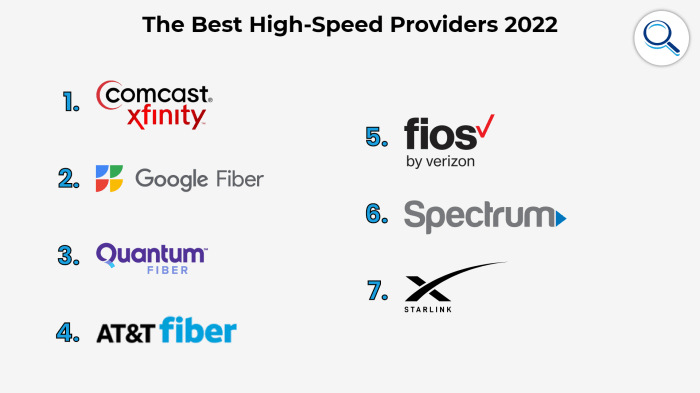
In today’s fast-paced digital world, the performance of your WiFi connection can significantly impact your online experience. Whether you are streaming, gaming, or working from home, understanding the performance metrics of various WiFi service providers is essential. By comparing speed and reliability, consumers can make informed decisions to find the best service that meets their needs.When evaluating the performance of WiFi service providers, it’s important to consider key metrics such as download and upload speeds, latency, and reliability.
Different providers may offer varying speeds based on their technology and infrastructure. This can affect everything from streaming quality to online gaming responsiveness. Here are some important performance metrics to compare:
Performance Metrics Comparison
The following metrics are critical for assessing the performance of WiFi services. Understanding these metrics can help consumers identify the best provider for their specific needs:
- Download Speed: The speed at which data is transferred from the internet to your device. Higher download speeds allow for faster streaming and browsing.
- Upload Speed: The speed at which data is sent from your device to the internet. Important for video calls, online gaming, and sharing large files.
- Latency: The time it takes for data to travel from your device to the server and back. Lower latency is crucial for real-time applications like gaming and video conferencing.
- Reliability: Refers to the consistency of the internet connection. A reliable service should have minimal downtime and stable performance during peak usage times.
Common performance issues are often faced by consumers, such as slow speeds during peak hours, dropped connections, and inadequate coverage. Different providers address these issues through various means, including advanced technology solutions and customer service initiatives.
Addressing Common Performance Issues
Recognizing common performance challenges helps consumers understand how providers are working to enhance their service. Here are some common issues and potential solutions offered by different providers:
- Slow Speeds During Peak Hours: Many providers utilize network management techniques and upgrade their infrastructure to handle increased traffic during peak times.
- Dropped Connections: Providers often deploy quality hardware and offer customer support to troubleshoot and resolve connection issues in real-time.
- Inadequate Coverage: Some service providers have expanded their network reach by investing in additional nodes or using mesh WiFi systems to eliminate dead zones.
Conducting a personal performance test can give consumers firsthand insight into their WiFi service quality. This allows individuals to assess if their current provider meets their needs or if switching is warranted.
Conducting a Personal WiFi Performance Test
To accurately evaluate your WiFi performance, follow these steps to conduct a simple personal test:
- Choose a Reliable Speed Test Tool: Use reputable speed test websites or apps, such as Ookla or Fast.com, to measure your connection speed.
- Run Multiple Tests: Test your WiFi speed at different times of the day to capture variations caused by peak usage and other factors.
- Test Different Locations: Move around your home or office to see how distance from the router affects your connection speed and strength.
- Record Your Results: Document your findings for download and upload speeds, as well as latency, to compare with your provider’s advertised speeds.
“Understanding and evaluating your WiFi performance is crucial for optimizing your online experience.”
By following these guidelines, consumers can not only assess their current service but also make comparisons that inform their choices among different WiFi service providers.
Analyzing Pricing Structures of High-Speed Broadband Packages
Understanding the pricing structures of high-speed broadband packages is essential for consumers aiming to make informed decisions. Different WiFi service providers offer a variety of tiers that cater to diverse needs, from basic browsing to high-demand streaming and gaming. Analyzing these packages can reveal significant differences in value, features, and potential hidden costs that could affect overall expenses.
Pricing Tiers Offered by WiFi Service Providers
Many WiFi service providers present multiple pricing tiers based on speed, data limits, and additional features. These tiers typically range from entry-level plans suitable for light usage to premium packages designed for heavy users.
- Basic Plans: These plans usually start around $30 to $50 per month, offering speeds ranging from 25 Mbps to 100 Mbps, ideal for casual browsing and light streaming.
- Standard Plans: Priced around $50 to $70 monthly, these packages provide speeds from 100 Mbps to 300 Mbps, accommodating moderate household usage including HD streaming and online gaming.
- Premium Plans: These can range from $70 to $100+ per month, featuring speeds over 300 Mbps, often with unlimited data and additional services like enhanced customer support or security features.
Hidden Fees Associated with Broadband Packages
While advertised pricing may appear attractive, potential hidden fees can significantly inflate the total monthly costs. It is crucial to scrutinize contract details to avoid unexpected charges.
- Installation Fees: Some providers charge installation fees that can range from $50 to $150 depending on the complexity of the setup.
- Equipment Rental Fees: Monthly rental for routers or modems may vary; expect to pay anywhere between $5 to $15 per month.
- Early Termination Fees: Contracts may impose penalties, often ranging from $100 to $300, if services are canceled before the agreed term.
- Data Overage Charges: Exceeding data limits can lead to additional fees, which can be as high as $10 to $15 per additional GB used.
Promotional Offers and Long-Term Pricing Implications, Compare WiFi Service Providers With High Speed Broadband Packages
Promotional offers can initially attract customers with low introductory rates, but it is important to consider the long-term implications of these deals.
- Introductory Rates: Many providers offer discounts for the first 6 to 12 months, which can significantly lower initial bills.
- Price Increases After Promotion: Customers should be aware that prices may increase by 20% or more once the promotional period ends, leading to higher future costs.
- Bundled Services: Promotions often include bundled services like TV and phone. While this can provide savings, it’s vital to assess overall value and usage needs.
“Understanding the true cost of broadband packages ensures that consumers are not only attracted by low introductory rates but also prepared for long-term commitments.”
Comparing Customer Support Services Offered by WiFi Providers
When selecting a WiFi service provider, customer support is a critical aspect that can significantly influence user satisfaction. High-quality support services can resolve issues quickly, contributing to a seamless internet experience. Understanding the various customer support options available can help consumers choose the right provider that meets their needs.Different WiFi providers offer various customer support options, making it essential to evaluate what works best for you.
These options typically include online chat, phone support, and in-person assistance. Each method has its advantages, and consumers should consider which is most convenient for their preferences and circumstances.
Types of Customer Support Options
The effectiveness of customer support can directly impact the overall broadband experience. Here’s a detailed look at the types of support services provided by different WiFi companies:
- Online Chat: Many providers offer real-time chat support on their websites, allowing customers to get quick responses to their queries without the need for a phone call. This option is especially popular for straightforward questions or technical issues.
- Phone Support: Traditional phone support is a staple for most WiFi providers. It allows for more personalized assistance and is often preferred for complex issues that require detailed explanations.
- In-Person Assistance: For those who prefer face-to-face interaction, some providers have physical locations where customers can receive assistance directly. This option is particularly beneficial for setup and installation inquiries.
Customer satisfaction with these support options can vary significantly among providers. For instance, a recent survey indicated that providers offering 24/7 support through multiple channels had higher customer satisfaction ratings, with 85% of users expressing happiness with their service.
“Effective customer support not only resolves issues but also builds customer loyalty and trust in the service.”
In terms of enhancing the broadband experience, effective customer support can lead to a more enjoyable and stress-free internet journey. Quick response times and knowledgeable representatives make troubleshooting much easier, which is essential for users who rely heavily on connectivity for work, entertainment, and communication. For example, a provider with a high rating for customer support can turn a potentially frustrating experience, such as a service outage, into a manageable one, significantly reducing downtime and user dissatisfaction.
Overall, the quality and availability of customer support services can greatly influence a user’s perception of their broadband experience. By comparing these services across various providers, consumers can make informed decisions that align with their expectations and needs.
Exploring the Impact of Additional Features in Broadband Packages
Broadband packages are no longer just about speed; they often come bundled with various additional features that can significantly enhance the user experience. Understanding these features and their implications can empower consumers to make informed choices when selecting a broadband service provider. This exploration highlights how these value-added services influence consumer preferences and ultimately guide their decisions.Additional features included in broadband packages can range from technical options like static IP addresses to security solutions that protect users from online threats.
These features not only enhance the functionality of the service but also provide added peace of mind for users. The presence of these features can also serve as differentiators among various providers in a competitive market.
Value-Added Services Influencing Consumer Choices
Many consumers consider additional features when comparing broadband packages, as they can provide significant benefits beyond basic internet access. Some notable features include:
- Static IP Address: A static IP address provides a permanent Internet Protocol address that is assigned to a specific device. This is particularly useful for businesses that need to run servers and host websites.
- Enhanced Security Solutions: Many providers offer built-in security features such as firewalls, anti-virus software, and parental controls, which can protect users from malware and other online threats.
- Wi-Fi Calling: This feature allows users to make calls over Wi-Fi instead of traditional cellular networks, which can improve call quality in areas with poor cellular reception.
- Dedicated Customer Support: Premium packages often come with prioritized customer service, ensuring faster response times and dedicated support for troubleshooting.
- Free Cloud Storage: Some broadband providers include free cloud storage solutions, which can be beneficial for users who need to back up important files easily.
These features can play a crucial role in a consumer’s decision-making process. For instance, a user may prioritize security features if they frequently engage in online banking or shopping, while a business may prefer a static IP address to support its operations. To further illustrate the impact of additional features, the following table compares selected broadband packages based on the features they offer:
| Provider | Package Name | Download Speed (Mbps) | Static IP | Security Solutions | Wi-Fi Calling | Cloud Storage |
|---|---|---|---|---|---|---|
| Provider A | Ultimate Plan | 100 | Yes | Included | Yes | 50 GB |
| Provider B | Premium Plan | 150 | No | Included | Yes | 100 GB |
| Provider C | Business Plan | 200 | Yes | Yes | No | 200 GB |
Through this comparison, it is evident that while speed remains a key factor, additional features can significantly sway customer choices. By recognizing the value of these services, consumers can select the broadband package that best aligns with their needs and preferences, maximizing their internet experience.
Assessing the Availability of Broadband Services Across Different Regions
The availability of broadband services is a crucial factor in determining how effectively consumers can connect to the digital world. Geographical factors significantly influence the reach and reliability of these services, creating disparities between urban and rural areas in terms of access to high-speed internet. Understanding these dynamics is essential for consumers as they navigate their choices among various WiFi providers.Geographical characteristics, such as population density, terrain, and regional infrastructure, play a pivotal role in broadband service availability.
Urban areas typically benefit from greater investment in network infrastructure, leading to more robust and reliable service options. Conversely, rural regions often face challenges such as limited provider options and less financial incentive for broadband expansion due to lower population density. This stark difference can lead to frustrating experiences for rural consumers who are often left with limited connectivity choices and slower internet speeds, impacting their daily lives, work, and access to information.
Challenges in Rural versus Urban Areas
Understanding the different challenges faced by consumers in rural and urban areas helps to grasp the broader issue of broadband service availability. In urban areas, consumers generally enjoy:
- A wide range of service providers competing for customers, leading to better pricing and service options.
- Higher speeds and more reliable connections due to dense infrastructure investments.
- Access to the latest technologies, such as fiber-optic networks, enhancing overall internet performance.
In contrast, rural consumers may encounter:
- Limited options for service providers, often restricted to one or two companies.
- Slower speeds due to reliance on outdated technologies like DSL or satellite connections.
- Higher costs for installation and service, reflecting the economic challenges of serving less populated areas.
“Rural broadband challenges can stifle economic growth and limit educational opportunities, creating a digital divide that is hard to bridge.”
Upcoming trends indicate a focus on expanding broadband availability to underserved regions. With initiatives like government funding for rural broadband projects and private partnerships aiming to enhance infrastructure, there is hope for greater coverage. Technologies such as fixed wireless and satellite broadband are being leveraged to improve access in areas previously deemed unserviceable. Moreover, advancements in 5G technologies are expected to create new opportunities for faster internet access in both urban and rural landscapes, effectively narrowing the existing gap.
Investigating User Reviews and Testimonials for WiFi Services
User reviews and testimonials play a crucial role in evaluating WiFi service providers and their broadband packages. By examining the experiences of other consumers, potential customers can gain insight into service quality, customer support, and overall satisfaction. This information helps make informed decisions and choose the best provider that meets their needs.Understanding how to find reliable user reviews is essential for anyone considering a new WiFi service.
Here are some effective methods to locate trustworthy feedback:
Methods to Find Reliable User Reviews
When searching for user reviews, it’s important to source feedback from credible platforms and utilize multiple channels. Consider the following strategies:
- Review Aggregator Websites: Websites like Trustpilot, Yelp, and Consumer Reports compile user reviews and ratings from across the web. These platforms often provide a balanced view of customer experiences.
- Social Media Platforms: Engage with communities on platforms like Facebook, Twitter, and Reddit. Users frequently share their experiences and recommendations in these forums, offering real-time feedback.
- Forums and Discussion Boards: Websites dedicated to technology or local community forums often feature discussions about specific WiFi providers. These conversations can provide valuable insights and detailed anecdotes.
- Company Websites: Many service providers showcase customer testimonials on their websites. While these are typically positive, they can give a general idea of customer satisfaction and service offerings.
The significance of consumer feedback cannot be overstated. It serves as a guiding light for prospective customers aiming to find the best broadband package. Here’s why user reviews are essential:
The Importance of Consumer Feedback
Consumer reviews provide a wealth of information that can influence purchasing decisions. Here are key reasons why feedback matters:
- First-Hand Experiences: Reviews offer insights into actual customer experiences, detailing what to expect regarding installation, speed, reliability, and customer service.
- Identifying Strengths and Weaknesses: Feedback highlights both the positive aspects and potential drawbacks of a service provider, helping users assess suitability for their specific needs.
- Consumer Trends: Monitoring reviews over time can reveal trends in service quality, such as changes in customer support responsiveness or speed consistency, aiding in long-term decision-making.
Interpreting user ratings and comments effectively also plays a key role in assessing service quality. Here’s how to understand the feedback you encounter:
Interpreting User Ratings and Comments
Effective interpretation of reviews can provide deeper insights into service quality. Here are some guidelines:
- Rating Systems: Pay attention to overall rating scores, but also look for detailed comments that explain the reasons behind these ratings. A high score with poor comments may indicate inconsistencies.
- Common Themes: Focus on recurrent themes in user comments. If multiple users mention a specific issue (e.g., slow speeds during peak hours), it’s likely a valid concern.
- Service Specifics: Look for comments that provide specific details about aspects like installation experiences, technical support responsiveness, and the actual broadband speeds experienced.
“User reviews are not just opinions; they are valuable insights that can guide you to the WiFi service provider that best fits your lifestyle.”
Identifying the Best High-Speed Broadband Packages for Specific Needs
In today’s digital landscape, choosing the right broadband package is crucial for optimizing online experiences. Different user profiles have unique requirements that must be met to ensure seamless connectivity and maximum satisfaction. Whether you’re a gamer, a remote worker, or part of a busy family, understanding which broadband package suits your specific needs will help you make an informed decision.One of the key factors in selecting the right broadband package is recognizing the unique demands of different user types.
By identifying these needs, you can better evaluate which high-speed broadband options will deliver the performance, reliability, and features necessary for your online activities.
Profiles for Different User Needs
Understanding the varying demands of users allows service providers to tailor packages effectively. Below are three distinct user profiles along with recommended broadband packages that cater to their specific needs.
- Gamers: Gamers require low latency and high-speed connections to ensure smooth gameplay. A package with a minimum of 100 Mbps download speed is recommended, paired with a high upload speed to support online multiplayer sessions. Providers like Xfinity and Verizon offer optimized gaming packages that minimize lag and prioritize gaming traffic.
- Remote Workers: For remote workers, stable connectivity and speed are paramount, especially during video conferences and large file transfers. Packages offering download speeds of 200 Mbps or higher, such as AT&T Fiber or Spectrum, provide the reliability needed for seamless work-from-home experiences.
- Families: Families often have multiple devices connected simultaneously. A broadband package with at least 300 Mbps is ideal to support streaming, online gaming, and general browsing without interruption. Comcast and Cox provide family-oriented packages that include data caps tailored to heavy usage.
To better illustrate these tailored recommendations, the following table ranks some of the best broadband packages based on user profiles:
| User Profile | Recommended Package | Download Speed | Special Features |
|---|---|---|---|
| Gamers | Xfinity Gaming Package | 100 Mbps | Low latency, optimized gaming servers |
| Remote Workers | AT&T Fiber | 200 Mbps | Stable connection, high upload speed |
| Families | Comcast Family Plan | 300 Mbps | No data caps, multiple device support |
Choosing the right broadband package not only enhances user experience but also ensures that all online activities run smoothly and efficiently.
Summary
In conclusion, navigating the world of broadband packages is an essential step toward ensuring you receive the most value and performance for your internet needs. By comparing WiFi service providers with high-speed broadband packages, you not only maximize your internet experience but also gain insights into how to leverage additional features and customer support. Stay connected, informed, and ready to choose the perfect broadband solution for you.
Helpful Answers
What should I consider when choosing a broadband package?
Consider factors such as speed requirements, reliability, pricing, customer support, and any additional features that may enhance your internet experience.
How can I test my current WiFi performance?
You can use online speed test tools to measure your connection’s speed, reliability, and latency, providing insights into how well your current service meets your needs.
Are there any hidden fees associated with broadband packages?
Yes, many providers have additional fees for installation, equipment rental, or service modifications. Always review the fine print before committing.
How do customer reviews impact my choice of provider?
Customer reviews provide real-life insights into a provider’s reliability and service quality, helping you gauge overall satisfaction and potential issues.
Can I switch providers easily if I’m not satisfied?
Most providers allow you to switch with minimal hassle, but be sure to check for any early termination fees or contract obligations before making a move.



Leave a Comment