

Upgrade WiFi Connection for Home With High Speed Router Bundle and experience the digital transformation you’ve been waiting for! In today’s fast-paced world, a reliable and high-speed internet connection is not just a luxury, it’s a necessity. With the increase in smart devices and streaming services, ensuring that your home WiFi can handle the demand is crucial. Discover how a high-speed router bundle can enhance your internet experience, providing lightning-fast speeds and seamless connectivity across all your devices.
From gaming and streaming to working from home, the benefits of upgrading to a high-speed router bundle are vast. Say goodbye to buffering and dropped connections as you enjoy improved performance that can support multiple devices simultaneously without compromising speed. This innovative solution is designed to address common issues associated with slow internet connections, making it an essential upgrade for modern households.
Understanding the Importance of a High-Speed Router Bundle for Home WiFi
In today’s digital age, a reliable and fast internet connection is essential for both work and leisure. Upgrading to a high-speed router bundle not only enhances your online experience but also supports the growing number of devices connected to your home network. With streaming services, online gaming, and smart home devices all vying for bandwidth, having a high-speed router bundle helps to ensure seamless connectivity throughout your home.A high-speed router bundle is designed to handle multiple devices simultaneously while providing maximum speed and stability.
Unlike standard routers, which may struggle under heavy usage, high-speed routers utilize advanced technology to deliver faster internet speeds and improved signal strength. This enhancement is particularly crucial for households with multiple users and devices, as it prevents lagging, buffering, and connection drops. Families can enjoy watching 4K movies, online gaming, and working from home without interruptions.
Improvement of Internet Speed and Connectivity
Upgrading to a high-speed router bundle results in a significant enhancement of internet speed and connectivity. The benefits are multi-faceted, addressing common issues associated with slow connections.
Elimination of Dead Zones
High-speed routers often come equipped with beamforming technology, which directs the WiFi signal towards connected devices rather than broadcasting it in all directions. This targeted approach minimizes dead zones and extends coverage throughout your home.
Increased Bandwidth
With higher bandwidth capabilities, high-speed routers allow for more devices to connect simultaneously without sacrificing performance. This means that whether someone is streaming, gaming, or browsing, everyone experiences a smooth connection.
Enhanced Security Features
Many high-speed router bundles come with advanced security protocols, ensuring that your network is protected from unauthorized access. This is especially important in homes with smart devices connected to the internet.
Support for Latest Technologies
High-speed routers typically support the latest Wi-Fi standards, such as Wi-Fi 6, which offers improved speeds and efficiency compared to older models. This future-proofing means your home will be ready for upcoming devices and services.
Reduction of Latency
High-speed routers are built to minimize latency, which is critical for activities like online gaming and video conferencing. Lower latency ensures that your actions are processed faster, making for a more enjoyable experience.Investing in a high-speed router bundle not only resolves existing connectivity issues but also enhances your overall internet experience. With faster speeds, improved reliability, and cutting-edge features, upgrading is a smart choice for any modern home.
Key Features to Look for in a High-Speed Router Bundle
When upgrading your home network, selecting the right high-speed router bundle is crucial for seamless connectivity and enhanced online experiences. A high-speed router bundle not only boosts your internet speeds but also ensures a reliable connection across multiple devices. Here are some key features to consider when choosing the ideal bundle for your home.
Importance of Dual-Band or Tri-Band Capabilities
One of the most significant features to look for in a high-speed router bundle is the use of dual-band or tri-band technology.
- Dual-Band Functionality: This feature allows the router to operate on two frequency bands: 2.4 GHz and 5 GHz. The 2.4 GHz band offers a wider range but may experience interference, while the 5 GHz band provides faster speeds for devices that are closer to the router. This capability helps optimize performance, especially in homes with multiple devices.
- Tri-Band Technology: For households with numerous devices, tri-band routers can distribute bandwidth more efficiently. By adding an additional 5 GHz band, these routers manage device traffic better, resulting in less congestion and improved speeds, making them ideal for bandwidth-intensive activities such as online gaming and streaming.
Advanced Security Features and Parental Controls
The significance of robust security features and parental controls cannot be overstated, especially in today’s digital age where online threats are prevalent.
- Advanced Security: Modern routers come equipped with WPA3 encryption, which offers enhanced protection against unauthorized access. This is vital for safeguarding your personal information and securing your network against potential breaches.
- Parental Controls: Many high-speed router bundles provide advanced parental control features, allowing you to monitor and manage the online activities of children. You can set usage limits, block inappropriate content, and schedule internet access times, ensuring a safer online environment.
The combination of dual-band or tri-band capabilities with advanced security features enhances both performance and safety, making high-speed router bundles indispensable for modern homes.
How to Choose the Right High-Speed Router Bundle for Your Home
Selecting a high-speed router bundle for your home is essential for achieving optimal internet performance. With numerous options available, understanding the key factors will help you make an informed decision tailored to your specific needs. From speed requirements to device compatibility, several aspects will influence your choice.When considering a high-speed router bundle, it’s important to evaluate the following factors:
Factors Influencing Router Bundle Selection
The performance and suitability of a router bundle depend on various elements. Below are the critical aspects to consider:
- Speed Requirements: Assess your internet usage, including streaming, gaming, or remote work, to determine the speed needed. For instance, if multiple devices stream 4K videos simultaneously, a router supporting speeds of at least 1 Gbps is advisable.
- Home Size: The size of your home dictates the range and coverage of your WiFi. Larger homes may require routers with mesh capabilities or extenders to eliminate dead zones, ensuring consistent connectivity in every corner.
- Number of Devices: Consider how many devices will connect to your network. Smart home devices, laptops, tablets, and smartphones can quickly add up. Ensure the router can handle multiple connections without sacrificing performance.
- Security Features: Look for routers with advanced security protocols like WPA3 to protect your network from unauthorized access. Some modern routers also include built-in firewalls and automatic firmware updates for enhanced protection.
- Brand Reputation: Opt for reputable brands known for quality and customer service. Brands like ASUS, TP-Link, and Netgear consistently receive high ratings for performance and reliability.
To provide a clearer perspective on different offerings, consider the following comparison of popular router brands:
| Brand | Performance | Typical Price Range |
|---|---|---|
| TP-Link | Up to 2 Gbps, ideal for gaming and streaming | $70 – $200 |
| Netgear | 1 Gbps or higher, good for large homes | $100 – $300 |
| ASUS | High-performance, supports advanced gaming features | $150 – $400 |
When evaluating the size of your home and the number of devices, remember that larger homes or those with multiple devices will need routers that provide robust coverage and high throughput. For example, a two-story home may benefit from a mesh networking system, ensuring signal strength on both floors without performance drops. Choosing the right high-speed router bundle not only enhances your internet experience but also future-proofs your home network as your connectivity needs evolve.
Setting Up Your High-Speed Router Bundle for Maximum Efficiency
Setting up your high-speed router bundle is crucial for achieving the best performance and ensuring a seamless internet experience in your home. Follow these steps carefully to maximize your router’s efficiency and enjoy lightning-fast connectivity across all your devices.To begin the installation process, unpack your high-speed router bundle and carefully read through the manufacturer’s manual. This will provide you with specific instructions and important information related to your model.
The basic setup typically includes connecting the router to your modem, powering it on, and establishing a wireless network.Firstly, locate your modem and connect it to the router using an Ethernet cable. Insert one end of the cable into the modem’s Ethernet port and the other into the WAN (Wide Area Network) port of your router. Next, plug in the power adapter that came with your router and turn it on.
Allow a few moments for the router to boot up completely, indicated by stable LED lights.Once powered on, connect your computer or smartphone to the router’s default Wi-Fi network, often labeled with the router’s model number. Open a web browser and enter the router’s IP address (commonly 192.168.1.1 or 192.168.0.1) in the address bar. This will direct you to the router’s settings interface.
Follow the on-screen instructions to configure your network name (SSID) and password, ensuring to set a strong password for enhanced security.After configuring the SSID and password, consider adjusting additional settings such as enabling WPA3 encryption if available, which is the latest security protocol and provides robust security for your wireless network. Save your settings and restart the router if prompted.
Avoiding Common Setup Mistakes for Optimal Performance
When setting up your high-speed router, avoiding common mistakes is essential for achieving optimal performance. Below are key missteps to be aware of during the installation process:
- Neglecting to change default login credentials, which can leave your network vulnerable.
- Placing the router in a corner or enclosed space, which can hinder signal strength; instead, choose a central location.
- Overlooking firmware updates; regularly check for firmware updates to enhance performance and security.
- Not using the correct band; ensure devices connect to the 5GHz band for faster speeds when possible.
- Failing to secure the network; always set a strong, unique password for your SSID.
Configuring your SSID and password effectively enhances overall network security. To set the SSID, navigate to the wireless settings in the router’s interface and enter your preferred network name. For password security, create a complex password with a mix of upper and lower case letters, numbers, and special characters.
Strong passwords should be at least 12-16 characters long, making them harder to guess or crack.
By following these steps and avoiding common setup mistakes, you can ensure that your high-speed router bundle offers maximum efficiency and a secure internet connection throughout your home.
Optimizing Your Home WiFi After Installing a High-Speed Router Bundle
Installing a high-speed router bundle is just the first step towards achieving a seamless internet experience in your home. To truly harness the power of your new equipment, optimizing your home WiFi network is essential. This will not only enhance your browsing speeds but also ensure that all your connected devices perform at their best, providing you with uninterrupted connectivity for streaming, gaming, and more.One of the most crucial steps in optimizing your WiFi network involves keeping your router’s firmware up to date.
Firmware updates can significantly improve functionality, security, and performance. Manufacturers frequently release updates to fix bugs, enhance features, and improve overall stability. To perform a firmware update, access your router’s admin interface, typically through a web browser using the router’s IP address, often found on the device itself. Look for a section labeled “Firmware Update” or “Router Update,” and follow the prompts to download and install any available updates.
Always ensure you back up your settings before proceeding, as updates can sometimes reset configurations.
Managing Network Traffic and Prioritizing Devices, Upgrade WiFi Connection for Home With High Speed Router Bundle
Effectively managing network traffic is vital for ensuring that all devices in your home receive a fair share of bandwidth, especially during peak usage times. Implementing Quality of Service (QoS) settings on your router can help prioritize bandwidth for specific devices or applications, such as video conferencing or online gaming, enhancing performance for those critical tasks. By setting QoS rules, you can allocate more bandwidth to devices that need it most.To get started with traffic management, consider the following strategies:
- Identify High-Bandwidth Devices: Begin by identifying which devices consume the most bandwidth. Smart TVs, gaming consoles, and streaming devices often require more resources.
- Configure QoS Settings: Access the QoS settings in your router’s interface and specify which devices or applications should receive prioritization. This will help ensure a stable connection for important activities.
- Limit Background Applications: Encourage household members to minimize activities such as large downloads during peak times to free up bandwidth for more critical tasks.
- Use Wired Connections: For devices that require the most consistent performance, such as gaming consoles or PCs, consider using wired Ethernet connections. This reduces latency and provides a more stable connection.
By employing these strategies, you can maximize the performance of your high-speed router bundle and enjoy a more efficient and reliable home WiFi network. Remember, regular monitoring of your network traffic and adapting settings as needed will keep your internet experience optimized and in line with your household needs.
Troubleshooting Common Issues with High-Speed Router Bundles: Upgrade WiFi Connection For Home With High Speed Router Bundle
High-speed router bundles can significantly enhance your home internet experience, but like any technology, they can encounter issues. Knowing how to troubleshoot problems effectively is essential for maintaining optimal performance. This guide provides a comprehensive approach to diagnosing and fixing common problems associated with high-speed router bundles, ensuring you stay connected with minimal disruption.
Checking Signal Strength and Range
Signal strength and range are critical factors that influence your internet connectivity. Weak signals can lead to slow speeds and dropped connections. To diagnose connectivity issues, follow these steps:
1. Use a Wi-Fi Analyzer App
Download a Wi-Fi analyzer application on your smartphone or tablet. This tool will help you assess the strength of your Wi-Fi signal in different areas of your home.
2. Conduct a Signal Test
Walk through your home with the app open and take note of the signal strength in each room. Ideally, you should aim for a signal strength of -50 dBm to -70 dBm for optimal performance.
3. Identify Dead Zones
Pay attention to areas with low or no signal strength, as these are considered dead zones. Consider relocating your router closer to these areas or adding Wi-Fi extenders to boost coverage.
4. Adjust Router Placement
The placement of your router can greatly affect signal strength. Ensure that it is positioned in a central location, elevated, and away from walls or obstructions.Refer to the following table for visual guidance on signal strength levels:
| Signal Strength (dBm) | Quality |
|---|---|
| -50 to -60 | Excellent |
| -60 to -70 | Good |
| -70 to -80 | Poor |
| -80 and below | Unusable |
Dealing with Interference from Other Electronic Devices
Interference from other electronic devices can disrupt your Wi-Fi signal, leading to connectivity issues. Recognizing and mitigating this interference is crucial for maintaining a stable connection. Consider the following effective solutions:
1. Identify Interfering Devices
Common household items like microwaves, cordless phones, and Bluetooth devices can interfere with Wi-Fi signals. Use your Wi-Fi analyzer to determine if channels overlap with these devices.
2. Change Wi-Fi Channel
Most routers operate on either the 2.4 GHz or 5 GHz frequency. Switching to a less congested Wi-Fi channel can reduce interference. Access your router settings and select a less commonly used channel.
3. Utilize Dual-Band Routers
If you are using a dual-band router, connect devices that require high bandwidth to the 5 GHz band. This band is typically less crowded and offers faster speeds than the 2.4 GHz band.
4. Relocate Affected Devices
Move devices that may cause interference away from your router or Wi-Fi-enabled devices. For example, keeping your router away from the kitchen can limit interruptions from microwaves.
5. Use Ethernet Cables
For stationary devices that require a stable connection, consider using Ethernet cables instead of Wi-Fi. This will eliminate interference and provide a reliable connection.By systematically checking signal strength and addressing interference, you can significantly improve the performance of your high-speed router bundle, ensuring a smooth and efficient internet experience for your home.
The Future of Home WiFi Technology and High-Speed Routers
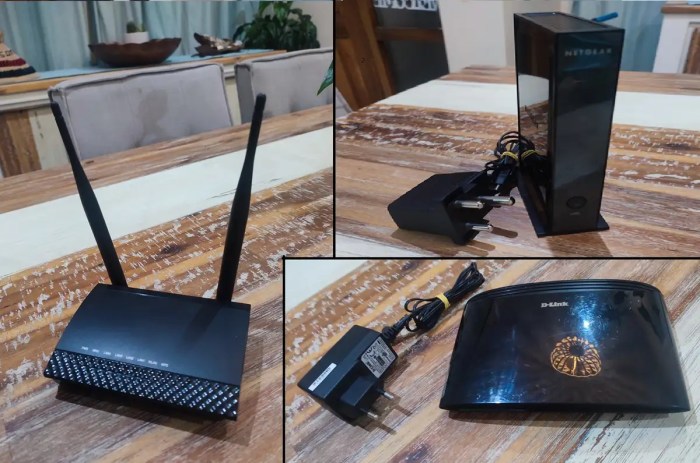
The world of home WiFi technology is rapidly evolving, driven by the increasing demand for faster internet speeds, seamless connectivity, and smart home integration. As we approach a new era of digital communication, high-speed router bundles are at the forefront of this transformation. Understanding the future trends in WiFi technology and the advancements in high-speed routers will help consumers make informed choices that enhance their home networking experience.The evolution of home WiFi technology is marked by significant innovations, particularly with the introduction of WiFi 6 (802.11ax) and the anticipated development of WiFi 7.
WiFi 6 brings a host of benefits including higher data rates, increased capacity, and improved performance in congested environments. This technology supports up to four times more devices than its predecessor, making it ideal for households with multiple smart gadgets. Upcoming WiFi technologies promise even better performance, with reduced latency and enhanced network efficiency, catering to the needs of smart homes where every device relies on stable and fast internet connections.
Comparison of Traditional Routers and High-Speed Router Bundles
The leap from traditional routers to the latest high-speed router bundles illustrates a paradigm shift in home networking capabilities. Traditional routers often struggle to keep up with the demands of modern households, which may have several devices vying for bandwidth simultaneously. In contrast, high-speed router bundles are designed to handle these challenges effectively. Key benefits of high-speed router bundles over traditional routers include:
- Advanced Technology: High-speed routers incorporate cutting-edge technologies such as MU-MIMO (Multi-User, Multiple Input, Multiple Output) and beamforming, allowing them to communicate with multiple devices at once and direct signals to where they are needed most.
- Enhanced Coverage: Many high-speed router bundles offer mesh networking options, which use multiple nodes to provide expansive coverage throughout the home, eliminating dead zones and ensuring robust connectivity in every corner.
- Future-Proofing: Investing in high-speed routers that support the latest WiFi standards equips homes for upcoming technology demands. This ensures compatibility with new devices and applications, safeguarding the investment for years to come.
- Smart Home Integration: High-speed routers come with features that facilitate easy management of smart home devices, providing users with enhanced control and security options.
In summary, the future of home WiFi technology is bright, with high-speed routers leading the charge in providing faster, more reliable, and more efficient internet connectivity. As homes become increasingly reliant on digital technology, upgrading to the latest router bundles will not only meet current demands but also pave the way for future innovations in home networking.
Final Summary
In conclusion, upgrading your home WiFi connection with a high-speed router bundle opens up a world of possibilities for connectivity and performance. With the right features and setup, you can optimize your internet experience, enjoy faster speeds, and eliminate common frustrations associated with slower connections. Embrace the future of home networking and transform the way you connect today!
FAQ Corner
What is a high-speed router bundle?
A high-speed router bundle includes a modem and router designed to deliver faster internet speeds and better connectivity for multiple devices.
Will a high-speed router improve my internet speed?
Yes, a high-speed router can significantly enhance your internet speed, especially if you have multiple devices connected at the same time.
How do I set up my new high-speed router?
To set up your new high-speed router, follow the manufacturer’s instructions, connecting it to your modem and configuring your network settings.
What features should I look for in a high-speed router?
Key features to consider include dual or tri-band capabilities, advanced security options, and parental controls for better management of your home network.
How can I optimize my WiFi after installation?
Post-installation, make sure to update your firmware regularly, manage network traffic, and prioritize devices for optimal performance.



Leave a Comment